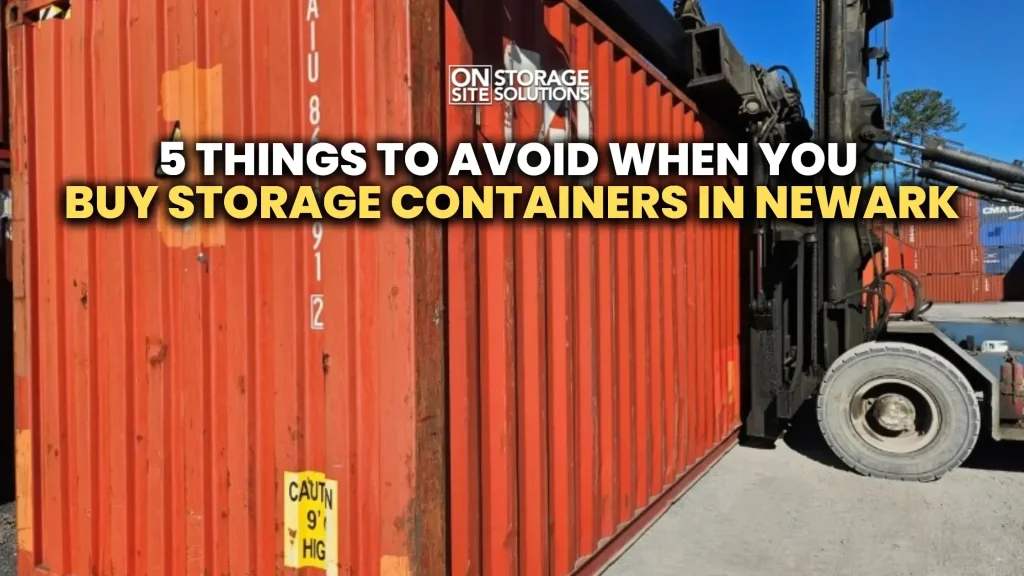

When you buy storage containers in Newark, businesses often focus on the immediate need for extra space but overlook important factors that impact cost, usability, and long-term value.
Choosing the best storage containers in Newark, NJ, ensures your investment is secure, cost-effective, and aligned with your storage goals.
Many companies make the mistake of prioritizing speed over strategy. While getting a container quickly may solve a short-term storage problem, overlooking size, condition, and features can lead to wasted space, higher maintenance costs, and insufficient storage efficiency.
Thinking ahead about future expansion helps avoid multiple container purchases later, which can significantly increase overall investment.
Mistake 1: Choosing the Wrong Container Size
Businesses often underestimate how much space they actually need.
Selecting the wrong size container can result in overcrowding or underutilized storage. Planning ahead by assessing current and future inventory helps you avoid paying for unnecessary extra units and maximizes your storage investment.
For example, while 20-foot containers are ideal for seasonal equipment or small renovations, larger operations may benefit from 40-foot containers.
High-cube containers, slightly taller than standard units, offer additional vertical space for bulky items, making them perfect for businesses with inventory that stacks efficiently.
Considering storage growth over the next few years ensures you won’t have to purchase multiple containers too soon.
Mistake 2: Skipping Container Condition Checks When Buying Storage Containers in Newark
Used containers can save money upfront, but skipping inspections is a common error. Rust, leaks, damaged floors, and weak doors can lead to costly repairs.
Thoroughly examining the container before purchase, whether new or used, is essential when buying storage containers in Newark to reduce the risk of unexpected issues and ensure long-term usability.
Many businesses in Newark choose suppliers who offer inspection services and warranties. This extra step protects against structural damage and ensures containers are suitable for sensitive inventory.
For temperature-sensitive goods, refrigerated containers may require more rigorous inspection to ensure cooling systems work properly and energy efficiency is optimized.
Choosing high-quality containers upfront prevents long-term repair costs while enhancing storage reliability.
Watch: Shipping container drop-off process, container delivery and safe placement.
Mistake 3: Ignoring Delivery, Placement, and Permits
Delivery logistics and site preparation are often underestimated. Narrow access, sloped ground, or city permits in Newark can complicate placement.
Working with experienced suppliers helps streamline delivery, site prep, and compliance with regulations, ultimately saving time and avoiding extra costs.
Planning placement in advance allows businesses to maximize space efficiency. For instance, aligning multiple containers for easy access or situating them near loading areas can reduce operational delays.
Certain Newark neighborhoods may also have noise or accessibility restrictions, so coordinating with suppliers ensures containers are delivered without conflict.
Mistake 4: Overlooking Optional Features and Add-Ons
Neglecting optional features such as shelving, lighting, or security locks can impact efficiency and security. While these add-ons increase upfront costs, they enhance usability and prevent frequent reorganization or security issues.
Businesses buying storage containers in Newark should carefully consider what features truly benefit their operations before finalizing the purchase
Shelving and racking systems allow easy access to high-volume inventory without requiring forklifts for every retrieval. Integrated security locks protect valuable items from theft, while lighting and ventilation reduce the risk of moisture damage.
Businesses storing sensitive electronics or chemicals may require specialized flooring or custom ventilation modifications to meet safety standards.
Mistake 5: Failing to Compare Local Suppliers
Not all suppliers are created equal. Pricing, services, and reliability vary widely, and skipping research can lead to overpaying or delayed delivery.
Comparing multiple suppliers ensures you find the best value, whether you need new or used units, optional modifications, or on-site delivery.
For example, On-Site Storage Solutions offers inspection, delivery, and modification services, which many Newark businesses find invaluable.
Understanding what each supplier includes in their quote, delivery, permits, placement assistance, or warranties prevents unexpected expenses.
Always ask about supplier reviews, response time, and service reliability before committing.
Where to Buy Storage Containers in Newark Fit for Bigger Storage Needs
Many Newark businesses combine container storage with broader solutions. On-site containers reduce warehouse costs while providing immediate access to inventory.
Planning your container usage with foresight ensures it meets current needs without limiting future expansion.
Some companies integrate containers with automated inventory tracking or use them as temporary office spaces or mobile workshops. By considering multi-purpose applications, businesses increase the value of each container and optimize operational efficiency.
Even seasonal operations can benefit from flexible container deployment instead of permanent warehouse leases.
Understanding Costs When Buying Storage Containers in Newark
When evaluating the total investment, businesses must consider more than just the purchase price.
Delivery, placement, optional modifications, and ongoing maintenance all contribute to portable storage containers in Newark and the overall expense of buying storage containers in Newark.
Delivery fees vary by distance, container size, and site conditions. Narrow streets, cranes, or forklifts may be necessary for placement, increasing costs. Placement preparation is equally important; a level concrete pad or compacted gravel reduces structural damage and prevents moisture buildup.
Optional add-ons like security locks, shelving, lighting, or custom partitions also influence investment. Choosing high-quality, inspected containers may cost more upfront, but it often prevents long-term repair expenses.
Why Investing in the Right Container Matters
Selecting the right container reduces long-term costs and prevents ongoing issues such as moisture damage, limited access, or security risks.
Proper planning ensures your container lasts for years and meets all business needs.
With guidance from On-Site Storage Solutions, Newark buyers receive expert recommendations, thorough inspections, and dependable delivery. For personalized assistance and to schedule your container, call (888) 977-9085.
Avoid costly mistakes and maximize your investment when buying storage containers in Newark.
FREQUENTLY ASKED QUESTIONS
Risks include hidden rust, water leaks, poor structural integrity, and non-compliance with local regulations. Choosing unreliable suppliers can also lead to incorrect sizing or delayed delivery. Careful inspection and planning minimize these risks and protect your investment.
Before purchase, assess container size, type, condition, and intended use. Verify zoning rules in Newark, inspect for damage, and confirm delivery logistics. Comparing suppliers and understanding all fees ensures a smooth and cost-effective transaction.
Inspect the exterior and interior for rust, holes, and structural damage. Check doors, locks, and floors for wear. A healthy container should be watertight, sturdy, and free from corrosion, ensuring safe storage for your items.
The right container depends on your specific storage needs. 20-foot containers are ideal for smaller spaces, while 40-foot units suit larger inventory. High-cube or refrigerated containers may be necessary for bulky or temperature-sensitive items.
A level, stable surface is essential. Concrete slabs are ideal for long-term placement, while gravel or compacted soil may work temporarily. Proper base preparation prevents tilting, moisture damage, and structural issues.