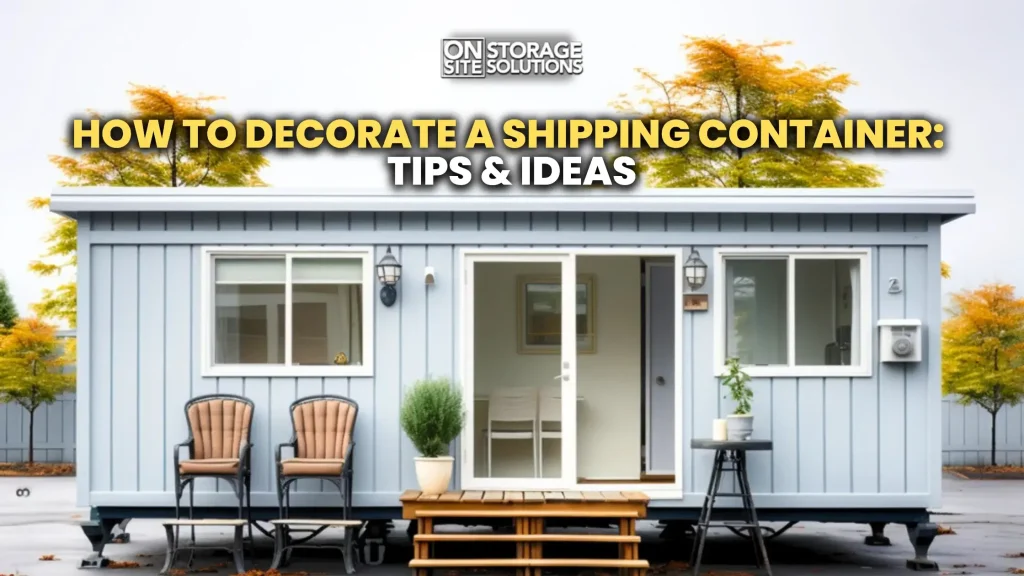

Shipping containers offer a unique, eco-friendly option for creating creative living and workspaces. Learning how to decorate a shipping container allows you to transform a plain steel box into a warm, inviting, and functional space. While the raw industrial look is appealing, turning it into something comfortable and stylish can still feel challenging.
This guide will walk you through turning a container into a space that reflects your personal taste or business identity while keeping practicality in mind.
This approach is ideal for creating a creative shipping container that stands out and serves your needs.
How to Decorate a Shipping Container: Understanding the Materials
When learning how to decorate a shipping container, understanding the materials is key. They’re typically made from durable corrugated steel, offering a tough and stylish exterior that naturally supports industrial or modern design themes.
The walls’ distinctive ridged texture can be highlighted rather than hidden, adding depth and character to both interior and exterior designs.
The floors are usually constructed from strong marine-grade plywood or bamboo, which introduces a warm, natural contrast to the steel shell. Flooring choices are essential to balance comfort and durability.
Using the Steel Structure to Decorate a Shipping Container
One of the smartest ways to learn to decorate a shipping container is by working with its steel structure instead of fighting against it. Exposed metal beams, visible bolts, and steel framing can be embraced as design features.
Using lighter paint colors on steel walls can soften the industrial feel, while darker tones create a bold, modern lookout and durability.
Customizing these doors with fresh paint, branding elements, or glass inserts can instantly elevate the container’s appearance.
How to Decorate a Shipping Container: Key Benefits
Learning how to decorate a shipping container offers many advantages for both personal and business projects. Below are some of the main benefits:
- Affordable: Containers are generally more cost-effective than traditional building materials.
- Flexible: They can be adapted for pop-up stores, art studios, offices, homes, cafes, and event spaces.
- Easy to Move: Because containers are designed for transport, decorated units can be relocated easily.
- Tough: Built to withstand harsh weather, containers are extremely durable.
- Eco-friendly: Repurposing containers supports sustainability.
- Fast to Set Up: Decorating a container usually takes less time than building from scratch.
- Cool Look: The industrial aesthetic of containers gives any space a modern, edgy appearance.
- Customizable: Containers can be designed to match specific needs, branding, and personal preferences.
Design Ideas and Tips for Decorating a Shipping Container
Decorating a shipping container can be an exciting project, whether you plan to use it as a home, office, retail space, or storage unit. Below are practical ideas to get you started.
Paint and Murals for How to Decorate a Shipping Container
Choose high-quality outdoor paint to protect the container from rust while giving it a refreshed look. Adding murals or graphic designs is a creative way to learn how to decorate a shipping container and enhance curb appeal.
Windows and Doors for How to Decorate a Shipping Container
Installing windows and additional doors allows natural light and airflow to enter the container, making it more comfortable and energy-efficient. Choose energy-efficient windows and insulated doors to regulate temperature.
Roof, Insulation, and Interior Design
A roof cover or awning can protect the container from sun and rain, while insulation ensures temperature control and noise reduction. Interior planning and multifunctional furniture maximize usable space efficiently.
Greenery, Lighting, and Functional Additions
Adding plants softens the industrial look, and proper lighting enhances mood and functionality. Shelves, racks, and outdoor seating areas improve organization and usability.
This is also a great opportunity to consider shipping containers joined together to create larger or more flexible spaces.
Maximizing Space and Functionality
When working with a shipping container, smart space planning can make a huge difference. Use vertical storage like shelves and hooks, foldable or multifunctional furniture, and wall-mounted organizers to keep the interior clutter-free. Thoughtful layout planning ensures the container remains practical, comfortable, and visually appealing, no matter the intended use.
Conclusion
In conclusion, understanding how to decorate a shipping container allows you to turn industrial steel into stylish, functional spaces. Whether for personal or business use, these tips help create homes, offices, or pop-up shops that are flexible, eco-friendly, and visually appealing.
On-Site Storage Solutions
Revamp plain steel into chic, functional spaces using our premium shipping containers. Whether you need extra storage or are planning a creative container project, our expert team is ready to help.
Contact On-Site Storage Solutions at (888) 977-9085 to explore our wide range of shipping container options for storage or container-based builds, and let us help bring your vision to life.
FREQUENTLY ASKED QUESTIONS
Beautify a shipping container by painting it with high-quality outdoor paint, adding murals or graphics, installing stylish doors and windows, and incorporating plants and lighting. Interior improvements like multifunctional furniture, warm flooring, and insulation also enhance comfort and aesthetic appeal
Maximize a small container by using light-colored walls to open the space, multifunctional furniture, vertical storage, mirrors, and proper lighting. Adding plants or creative wall designs also makes a small container feel inviting and stylish while keeping it practical.
Use outdoor-grade paint, murals, or vinyl wraps to refresh the exterior. Installing decorative doors, windows, and awnings, plus adding plants, lighting, or signage, transforms a plain container into a visually appealing and welcoming structure.
One cost-effective method is using reflective or rigid foam board insulation. Spray foam is effective but more expensive. Pair inexpensive insulation with proper ventilation and paint to control temperature and prevent condensation in the container.
Painting a 20-foot container usually costs between $400–$800, depending on paint quality and prep work. DIY can reduce costs, while hiring professionals ensures even coverage, rust protection, and long-lasting results for exterior beautification.