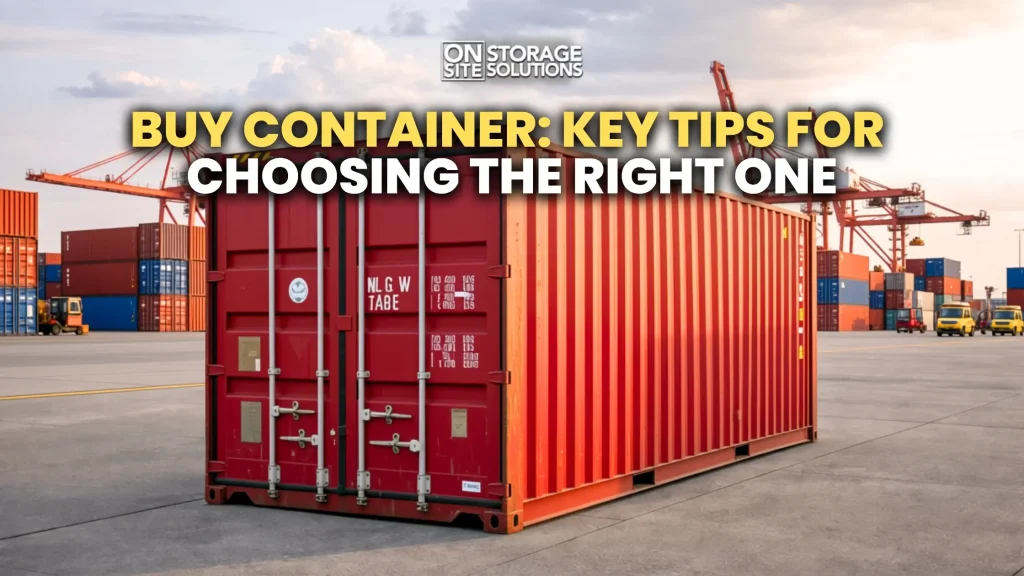

When you decide to buy container, it is crucial to understand the factors that ensure your investment serves its intended purpose efficiently. Containers have evolved from mere shipping tools to versatile solutions for storage, commercial spaces, and even residential applications.
Making the right choice involves more than picking a size or style; it requires careful planning, supplier research, and awareness of regulatory and logistical requirements.
In this guide, we explore all the essential aspects of buying a container, helping you make an informed decision that aligns with your needs.
Defining Your Purpose Before You Buy Container
Understanding why you need a container is the first step. Containers today are versatile, serving storage, workspace, or even living purposes. Knowing your intended use will help you choose the right size, condition, and modifications, saving time and money.
Residential vs Commercial Use When You Buy Container
Containers serve both homes and businesses in different ways. For residential purposes, they can become garden sheds, studios, or tiny homes. For commercial use, containers are often used for inventory storage, pop-up shops, temporary offices, or workshops.
Identifying the primary use ensures you select a container suited to your specific needs.
Storage, Workspace, or Living Spaces When You Buy Container
Deciding if the container will function as storage, a workspace, or a living area affects its features. Storage containers may not need insulation or electricity, while workspaces and living spaces often require ventilation, lighting, and security upgrades.
Planning these requirements ensures your container is practical, safe, and cost-effective.
Choosing the Right Size and Quantity When You Buy Container
When you buy container, size and quantity are critical considerations. Containers come in various lengths and heights, with standard shipping container dimensions including 20 feet and 40 feet lengths, along with standard and high-cube heights.
Determining the right size depends on the volume of items you plan to store or the scale of your project. If multiple containers are needed, consider how they will be arranged. Will they be stacked, side by side, or separated for accessibility?
Planning in advance reduces logistical challenges and ensures the space is used efficiently. Always account for extra space to accommodate future needs or modifications.
Evaluating Condition: New vs. Used
Another vital factor to consider when you buy container is its condition. Containers are available in new and used options, each with advantages and trade-offs. New containers offer maximum durability, cargo-worthiness, and a pristine appearance.
They are ideal for projects requiring longevity and minimal maintenance. Used containers, however, are more cost-effective and environmentally friendly. When choosing a used container, inspect for rust, structural damage, and weather resistance.
Look for classifications like cargo-worthy, wind and water-tight, or shipping container condition ratings. These checks ensure that your container meets your functional and safety requirements.
Compliance with Local Regulations
Regulatory compliance is essential when placing a container. Local zoning laws, building codes, and permit requirements can affect where and how it can be installed. Some areas require approvals for containers used as living or commercial spaces, and even storage containers may be subject to height, fire, and environmental regulations.
Understanding these rules beforehand helps avoid legal issues, and trusted suppliers can guide you to ensure proper placement and compliance.
Selecting a Reputable Supplier
A reliable supplier makes the process seamless when purchasing a container. On-Site Storage Solutions stands out as a trusted provider, offering new and used shipping containers across the United States and Canada.
A reputable supplier ensures quality, delivers on time, and provides excellent customer service. They also offer guidance on container types, modifications, and regulatory compliance.
Reading reviews and testimonials helps identify suppliers with a proven track record, reducing the risks of poor-quality containers or unreliable delivery.
Material Quality and Durability
When purchasing a container, material quality is paramount. Most containers are made of Corten steel, renowned for its strength and resistance to weather and corrosion. The material quality directly impacts the container’s longevity, particularly if it will be exposed to harsh conditions.
Even for used containers, ensure the steel structure is intact and free from severe corrosion. The flooring, doors, and locking mechanisms should also be inspected.
High-quality materials reduce maintenance costs and enhance security, making the container a dependable solution for years to come.
Delivery and Placement Logistics
Logistics are another essential aspect when you buy container. Delivery and placement require careful planning to avoid complications. Consider the space available, accessibility for trucks, and equipment needed for installation.
Containers are heavy and may require cranes or forklifts for precise placement. If the location has limited access, planning ahead ensures smooth delivery.
On-Site Storage Solutions provides delivery across multiple locations, making it easier for customers to receive their containers quickly and efficiently.
Customization and Modification Potential
Many buyers look for more than a standard container. If you plan to modify it, consider the customization options carefully. Doors, windows, insulation, ventilation, electrical wiring, and shelving are common upgrades.
Knowing what changes are possible without compromising structural integrity is essential. Trusted suppliers like On-Site Storage Solutions can provide guidance, ensuring the container meets your specific needs.
Budget Considerations and Financing
Budgeting is a crucial step when purchasing a container. Prices vary based on size, condition, material quality, and delivery costs. Used containers typically cost less upfront but may require repairs or modifications.
It’s important to factor in delivery charges, installation costs, and potential customization expenses. Some suppliers offer financing options, making it easier to manage cash flow while acquiring the right container.
Planning a budget ensures your investment is sustainable without compromising quality or functionality.
Insurance and Warranty
Insurance and warranty coverage are often overlooked but essential considerations when you buy container. Containers are exposed to weather, theft, and accidental damage, making insurance a practical safeguard.
Additionally, suppliers may offer warranties, particularly for new containers. These guarantees provide peace of mind and protect your investment against unforeseen issues.
Always confirm the terms of insurance and warranty before finalizing your purchase.
Mistakes to Avoid When You Buy Container
While buy shipping containers, common mistakes include neglecting to inspect used containers, underestimating delivery logistics, or ignoring regulatory compliance. Another frequent error is failing to plan for future needs, leading to additional costs for modifications or additional containers.
Careful planning, research, and consultation with reputable suppliers like On-Site Storage Solutions can prevent these pitfalls.
Their expertise ensures that your container is both functional and compliant, providing a seamless purchasing experience.
Making an Informed Decision
Deciding to buy container requires careful planning. Consider its purpose, size, condition, material quality, compliance, delivery, and customization options, and set a realistic budget with insurance and warranty coverage.
On-Site Storage Solutions is a trusted provider with over 60 locations across North America, offering new and used containers at competitive prices with fast delivery and expert guidance. Make your container purchase simple and reliable.
Call (888) 977-9085 today to find the perfect storage solution for your home or business.
FREQUENTLY ASKED QUESTIONS
Before you buy container, define its purpose, size, and condition. Consider material quality, delivery logistics, regulatory compliance, and customization needs to ensure you get the right solution for storage, workspace, or living space.
To choose the right size when you buy container, evaluate what you plan to store or build. Standard options include 20‑foot and 40‑foot with varying heights. Allow extra space for future needs or modifications.
Whether you buy new or used container depends on budget and intended use. New containers offer durability and cargo‑worthiness, while used ones are more affordable. Inspect condition carefully to avoid costly repairs.
Yes, you may need permits after you buy container. Local zoning laws, building codes, and land use regulations can apply, especially for living or commercial spaces. Check with authorities and trusted suppliers before placement.
Some suppliers offer financing when you buy container. Finance options help manage costs for delivery, installation, and customization. Discuss terms with your supplier to choose a plan that fits your budget.


