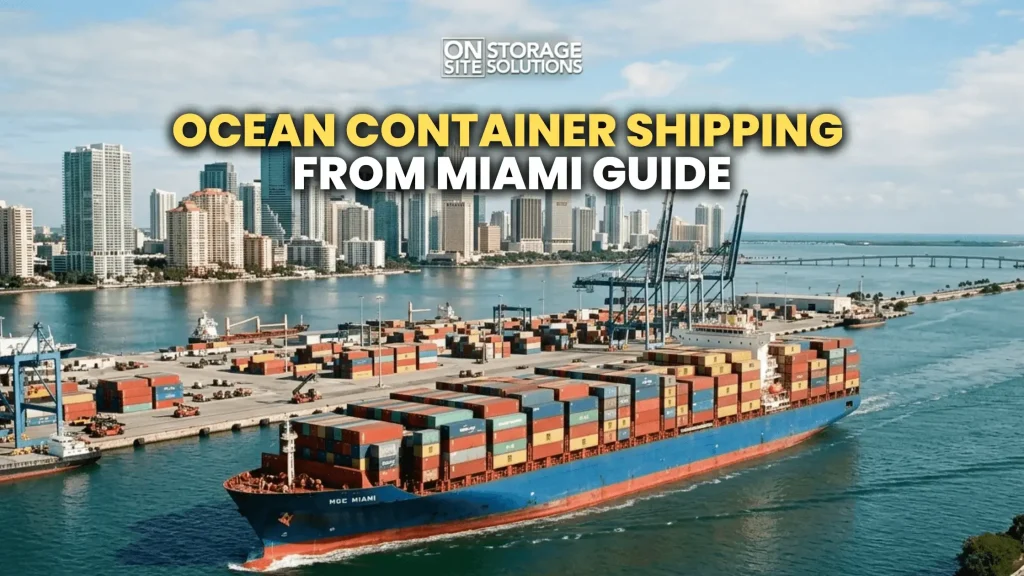

Ocean container shipping from Miami plays a key role in how buyers access affordable containers for storage, transport, and construction use. It connects high-volume port activity with steady container availability for both commercial and personal needs.
Miami’s strong logistics network and active shipping routes ensure a consistent supply of containers in different sizes and conditions. This makes it easier for buyers to compare options, manage costs, and secure faster delivery compared to less active markets.
Common Uses of Ocean Container Shipping from Miami
Shipping container units are no longer limited to cargo transport. They have become versatile assets for both commercial and personal use.
- On-site storage: Secure tools, equipment, and inventory for construction or business operations
- Mobile offices: Create portable workspaces for job sites or remote locations
- Pop-up shops: Temporary retail spaces set up in high-traffic areas for short-term sales and brand exposure.
- Living spaces: Convert into container homes or temporary housing
- Workshops: Use as enclosed areas for fabrication, repairs, or creative projects
- Emergency shelters: Provide quick, durable solutions during disasters or relocations
Their steel structure offers strength and weather resistance. This makes them suitable for long-term outdoor use in Miami’s humid climate.
Understanding Sizes and Types for Ocean Container Shipping from Miami
Ocean container shipping from Miami offers a wide range of options when it comes to the size of the container. Choosing the right type depends on your intended use and available space.
- 20-foot container compact and easy to place, ideal for small storage needs or limited spaces.
- 40-foot container provides more storage capacity, suitable for larger operations or bulk storage.
- High cube container offers extra vertical space, making it perfect for bulky items or modified structures.
- Refrigerated container designed for temperature-sensitive goods that require controlled environments.
- Open-side container allows easier loading and unloading of oversized or irregular items.
Understanding these differences helps buyers avoid overpaying or selecting the wrong configuration.
Shipping Container Prices and Market Trends
Pricing is one of the most important considerations when buying a shipping container. Factors such as condition, size, and market demand all influence the final cost.
- Container condition new or one-trip containers usually cost more because they have minimal wear, while used units are more affordable but may require repairs.
- Size of the container larger containers like 40-foot units are more expensive than 20-foot options due to increased capacity and material.
- Market demand pricing can shift depending on supply levels and activity at the port, especially during peak shipping seasons.
- Location factors buyers researching shipping container miami often notice that port proximity can affect availability and pricing trends.
- Additional costs delivery, site preparation, and shipping container modification can significantly increase the total investment.
Upfront vs Long-Term Costs of Ocean Container Shipping from Miami
Beyond the purchase price, buyers should understand the full cost of ownership over time.
- Upfront costs include the container price itself, delivery fees, and any initial shipping container modification needed for usage such as doors, insulation, or ventilation.
- Long-term costs include ongoing upkeep like rust prevention, surface repainting, floor repairs, and occasional repositioning or relocation when needed. Miami’s humid climate can also increase maintenance needs over time due to corrosion risks.
Planning both upfront and long-term costs helps buyers avoid surprises and make more accurate budgeting decisions.
New vs Used Options in Ocean Container Shipping from Miami
Ocean container shipping from Miami includes both new and used inventory, each with its own advantages. Choosing between them depends on your priorities and budget.
Buyers exploring used shipping containers Miami will encounter terms like wind and watertight, cargo worthy, and one-trip. These classifications help define the condition and usability of each unit.
New containers offer minimal wear and a clean structure. Used units, on the other hand, provide cost savings and are still functional when properly inspected.
Miami’s coastal environment can accelerate rust, so checking for corrosion and structural integrity is essential before making a purchase.
What to Inspect Before Buying Ocean Container Shipping from Miami
Inspection plays a critical role in securing a reliable unit. Even durable steel containers can develop issues over time.
- Rust and corrosion: Check corners, roof panels, and seams. Surface rust is manageable, but deep corrosion can weaken the structure.
- Structural integrity: Look for dents, bends, or misalignment that may affect durability and stacking capability.
- Flooring condition: Inspect for cracks, soft spots, or contamination that could impact usability.
- Doors and seals: Ensure doors open and close smoothly, with tight seals to prevent water intrusion.
- Interior condition: Look for signs of moisture, mold, or light leaks that indicate possible damage.
A careful inspection ensures the container performs well for storage or transport without unexpected repair costs.
Delivery and Transport Considerations
Once you purchase ocean container shipping from Miami, delivery becomes the next important step. Planning ahead helps avoid delays and added expenses.
Buyers searching for container transport miami should consider the following key factors:
- Site access narrow streets, low-clearance areas, or tight driveways can limit delivery options
- Ground conditions soft soil, sand, or uneven surfaces may require site preparation before placement
- Delivery equipment tilt-bed trucks are commonly used, while cranes may be needed for difficult placements
- Permit requirements Miami-Dade and Broward County may require permits depending on container placement rules
- Obstructions overhead power lines, trees, or structures can affect safe delivery and positioning
Working with experienced providers ensures a smoother process from purchase to final installation.
Reliable Supplier for Ocean Container Shipping from Miami
Finding a trustworthy supplier is just as important as selecting the right container. Reputable companies provide transparency, quality assurance, and customer support.
On-Site Storage Solutions has built a strong reputation for delivering dependable shipping container options. Their experience in the industry helps buyers navigate choices with confidence.
Call us at (888) 977-9085 to work with a reliable provider reduces risks and ensure that the container meets your expectations.
Conclusion
Ocean container shipping from Miami offers a practical solution for storage, transport, and construction needs. The city’s active port and strong logistics network make it a reliable location for buyers.
Understanding container types, pricing, condition, and delivery helps you make smarter purchasing decisions and get better long-term value.
With the right supplier, a shipping container in Miami can be a cost-effective investment for many uses.
FREQUENTLY ASKED QUESTIONS
Ocean container shipping from Miami refers to the process of sourcing, buying, and transporting shipping containers through Miami’s major port system. It is commonly used for storage, logistics, and construction projects due to the city’s strong import and export activity.
It works by selecting a container from local suppliers or port inventory, then arranging delivery based on size and site access. Buyers benefit from Miami’s active logistics network, which helps ensure faster availability and a wide range of container options.
Prices vary depending on size, condition, and market demand. In general, used containers are more affordable, while new or one-trip units cost more due to better condition. Location and delivery fees can also affect total pricing in Miami.
Yes, shipping containers are widely used in Miami for secure on-site storage. They are ideal for storing tools, equipment, and inventory because they are durable, weather-resistant, and suitable for long-term outdoor use.
Common options include 20-foot and 40-foot containers, along with high cube, refrigerated, and open-side units. Each size serves different needs, from small storage spaces to large-scale commercial or industrial use.