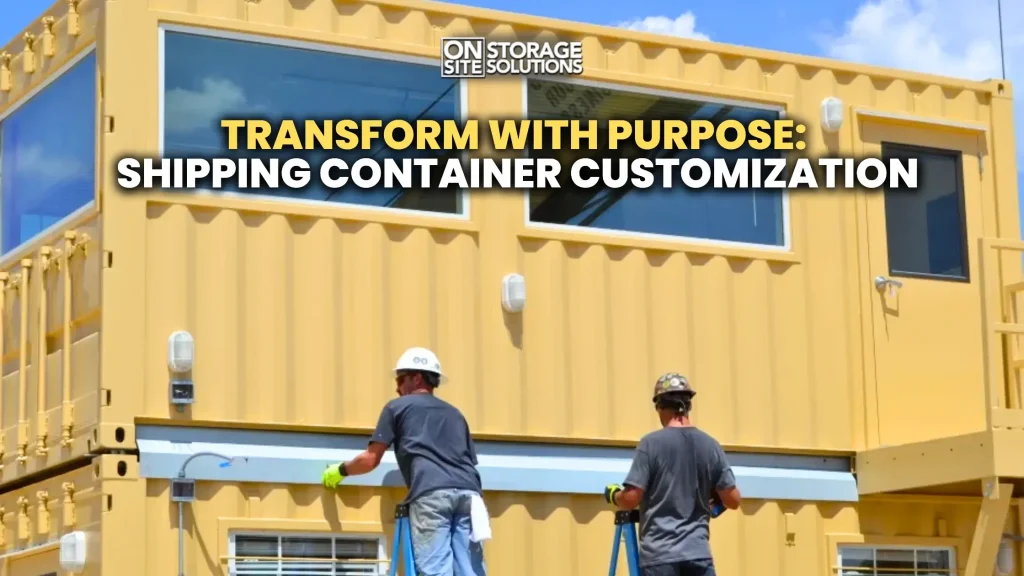

Turning shipping containers into functional and stylish spaces through shipping container customization isn’t just a trend, it’s redefining how people and businesses use space. As cities continue to expand and environmental concerns increase, customizing shipping containers provides a practical solution that offers flexibility, affordability, and long-term sustainability.
When it’s eco-conscious individuals reusing materials, small business owners creating pop-ups, or event planners designing unique experiences, shipping containers provide endless possibilities.
Many people are curious about creative shipping container solutions, exploring innovative ways to maximize their potential. With thoughtful planning, your container can become a workspace, home, storage solution, or commercial venue, all while staying environmentally friendly.
Key Considerations for Shipping Container Customization
When approaching shipping container customization, it’s important to plan carefully. The following considerations help ensure your container meets your unique needs:
Purpose and Functionality
Start by defining why you want the container. Is it for storage, a workshop, living space, or a retail shop? The purpose will guide your decisions on design, layout, and materials. For larger projects, consider shipping containers joined together, which allows you to expand usable space while maintaining structural integrity.
Design and Layout
Think about how the container will look and function. Plan the placement of doors, windows, and utilities. Modify shipping container interior walls to include shelving, partitions, or insulation depending on your purpose. A well-thought-out design ensures that your container is functional and visually appealing.
Permits and Regulations
Check local zoning laws and building codes before making changes. Certain modifications may require permits, especially if the container will be used for living or commercial purposes.
Budget and Costs
Determine your budget early. Include the cost of the container, customizations, labor, permits, and optional features. Investing in high-quality materials upfront often saves money on long-term maintenance and ensures durability.
Durability and Weatherproofing
Ensure your container can withstand the elements. Reinforced steel, corrosion-resistant coatings, and proper sealing protect your belongings and maintain structural integrity for years.
Utilities and Functionality
Plan for electrical wiring, water, heating, cooling, and lighting. Proper installation ensures the container is fully functional, whether used as a workspace, storage unit, or creative venue.
Security and Safety
Prioritize security with reliable locks, alarm systems, and sturdy doors or windows. A secure container protects your investment and prevents theft or unauthorized access.
Transportation and Installation
Consider how the container will be transported and positioned on-site. Proper planning for delivery and placement prevents damage and ensures long-term usability.
Sustainability
Use eco-friendly materials whenever possible. Reusing shipping containers is already a sustainable choice, but sustainable insulation, paint, and finishes further reduce environmental impact.
Future Expansion
Think ahead. Could your needs grow in the future? Designing with potential expansion in mind allows you to adapt your container without major overhauls.
Essential Tips for Shipping Container Customization
Following these practical tips maximizes your container’s potential:
Proper Placement and Climate Control
Place containers in shaded areas to reduce heat buildup. Painting the roof and walls white reflects sunlight and maintains a cooler interior, improving comfort and energy efficiency.
Selecting the Right Container
Choose the right size, condition, and type. Standard sizes like 20-foot or 40-foot containers work well for most projects. Decide whether a new or used container fits your budget and quality expectations.
Interior Flexibility
Flexible walls and partitions let you adapt the container for storage, work, or living spaces. Learn how to decorate a shipping container to make the interior stylish without sacrificing functionality.
Safety and Quality
Use high-quality tools for modifications, such as cutting, welding, or installing windows. If possible, choose containers with warranties to ensure long-term reliability.
Entry and Accessibility
Install practical entry options, such as roll-up doors or barn-style doors, for easy access while maintaining security.
Benefits of Shipping Container Customization
Customizing shipping containers offers many advantages:
- Cost Efficiency: Often cheaper than traditional construction while still durable.
- Flexibility: Can be used for storage, offices, retail, or living spaces.
- Sustainability: Reusing containers reduces waste and environmental impact.
- Portability: Containers can be relocated as your needs change.
- Scalability: Multiple containers can be joined together for larger projects.
How to Get the Best Results with Container Customization
Working with experts ensures smooth installation and advice on materials, design, and regulations. On-Site Storage Solutions specializes in shipping container customization, helping clients transform containers into functional and stylish spaces.
If you need a single unit or multiple units, the team manages delivery, modifications, and permits for a hassle-free experience.
Conclusion
In conclusion, shipping container customization provides an innovative, eco-friendly, and practical solution for a wide range of uses. By carefully considering purpose, design, permits, and long-term expansion, anyone can transform a standard container into a functional and stylish space. Whether for personal, commercial, or creative projects, the possibilities are nearly endless.
On-Site Storage Solutions
Want to upgrade your space? We customize containers just for you. Call On-Site Storage Solutions at (888) 977-9085 to discuss your ideas today! We handle delivery, modifications, and permits so your project is seamless from start to finish. Let’s make your dream container space a reality.
FREQUENTLY ASKED QUESTIONS
The cost depends on size, type of modifications, and materials used. Simple changes like adding windows or doors are cheaper, while full interior customization, insulation, or plumbing can increase costs. Planning and quality materials help ensure modifications stay within budget and last longer.
A concrete slab is ideal for long-term placement, providing a level, stable base that prevents shifting, moisture buildup, and structural issues. Gravel or compacted soil can work temporarily, but concrete ensures durability, supports heavier loads, and simplifies installation of utilities and customizations.
Plywood treated with marine-grade varnish is common, providing durability and resistance to moisture. For heavy-duty use, steel or reinforced composite floors offer extra strength. Flooring choice depends on container purpose, with insulated floors recommended for living spaces or temperature-sensitive storage.
Yes. Shipping containers are designed to be structurally sound and adaptable. Modifications can include cutting doors and windows, installing utilities, adding insulation, and changing interior layouts. Proper planning and professional installation ensure safety and longevity.
It depends on local regulations. Residential or commercial use may require permits, especially if adding plumbing, electricity, or changing the exterior. Always review local zoning laws and building codes before starting your project.