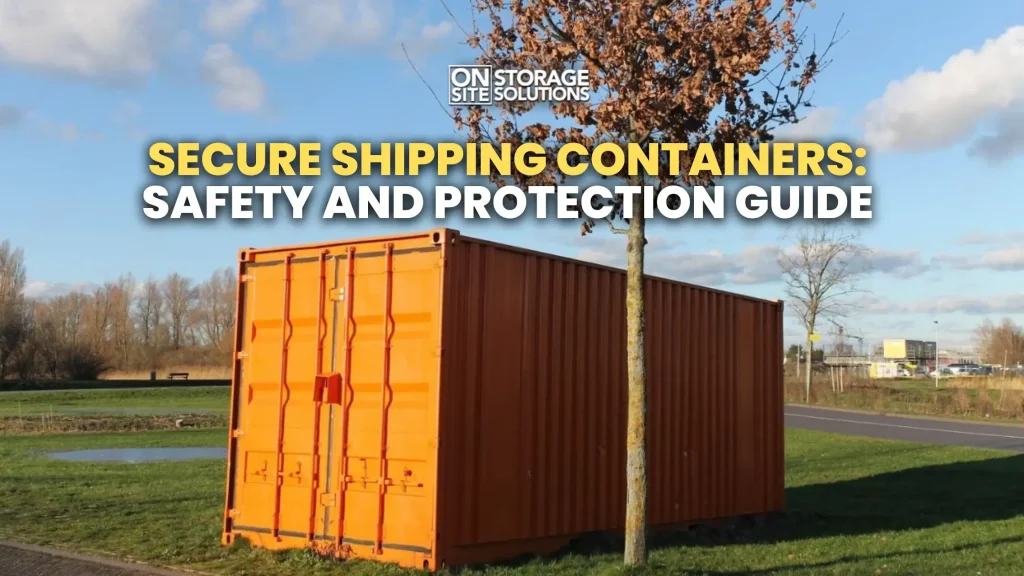

Secure shipping container is a trusted worldwide to protect valuable goods, equipment, and materials from theft, extreme weather, and long-term environmental damage. Built with strong steel construction, they are commonly used in construction sites, farms, and commercial warehouses where durability and storage security are essential.
But even the strongest container is not automatically secure. Without proper protection, routine maintenance, and monitoring, storage systems can still become vulnerable to break-ins, rust, and environmental wear that lead to costly losses over time.
This blog breaks down what it really takes to keep shipping container storage safe and reliable by covering essential security systems, maintenance practices, and protection strategies that reduce risks and extend container lifespan.
Why Secure Shipping Containers Matter
Secure Shipping Containers are not just storage units. They serve as a primary defense for valuable assets like tools, inventory, and machinery against theft and harsh conditions.
1. Real Protection for High-Value Storage
A properly secured container significantly reduces the risk of unauthorized access and environmental exposure. It acts as a strong physical barrier that helps minimize losses in both urban and remote environments.
2. Stability for Daily Operations
When storage systems are dependable, businesses avoid unnecessary delays caused by missing or damaged materials. This improves workflow efficiency and keeps daily operations running smoothly.
How to Secure Shipping Container Properly
Secure Shipping Container access control is a critical layer of protection that ensures only authorized individuals can open and manage the container. Even with strong physical locks, poor key management can still lead to security risks.
1. Heavy-Duty Locks and Lock Boxes
Not all padlocks are suitable for shipping containers. Security-focused options are specifically designed to resist cutting, prying, and drilling.
- Standard heavy-duty padlocks – Basic option, but should be made of hardened steel for better durability.
- Shrouded padlocks – Commonly used for containers; the shackle is covered to reduce bolt cutter attacks.
- Disc locks – Compact design that minimizes leverage points for cutting tools.
- Container lock box padlocks – Used with lock boxes that fully protect the locking mechanism.
- High-security padlocks – Offer advanced resistance against drilling, picking, and cutting.
Shrouded padlocks combined with lock boxes, or high-security padlocks alone, are among the most effective setups for reducing forced entry risks.
2. Surveillance and Alarm Systems
Surveillance and alarm systems provide security through monitoring, intrusion detection, and real-time alerts. They help deter unauthorized access and reduce break-in attempts.
- CCTV cameras – Monitor activity and provide recorded evidence.
- Motion sensors – Detect movement around the container.
- Proper lighting – Improves visibility and deters intruders.
- Alarm systems – Trigger alerts during forced entry or suspicious activity.
- Remote monitoring systems – Allow real-time viewing and faster response.
They help prevent break-ins through early detection and visibility.
3. Reinforced Entry Points and Seals
Entry points are strengthened to resist forced access on doors, hinges, and locking areas. Security seals provide visible evidence of tampering during storage and transport.
- Strengthened doors and hinges – Improve resistance against forced entry.
- Security seals – Show evidence of tampering.
- Protected lock housings – Prevent cutting and drilling of locks.
- Anti-pry bars – Stop forced door opening.
- Steel door frames – Improve overall structural strength at entry points.
These features help maintain security and protect the container during use and transport.
Weather and Moisture Protection Solutions for Secure Shipping Container
Secure Shipping Containers must be protected from environmental stress to maintain long-term durability. Weather-related damage develops gradually but can lead to serious structural deterioration if not properly managed.
1. Waterproof Sealing
Prevents external rainwater and moisture from entering the container. It protects against rust, corrosion, and water damage to stored goods, helping maintain container durability and product safety.
2. Ventilation Systems
Adequate ventilation reduces condensation inside the container. Without airflow, moisture buildup can cause corrosion and damage stored materials.
3. Insulation
Shipping container Insulation regulates internal temperature during extreme heat or cold. It helps protect temperature-sensitive goods and prevents condensation.
4. Moisture and Condensation Control
Humidity levels inside the container must be controlled to prevent long-term moisture issues. Stable internal conditions help protect stored materials from deterioration.
5. Elevated Foundation and Drainage
Placing the container on an elevated base like concrete blocks or steel supports prevents ground moisture. Proper drainage avoids water buildup and reduces underside corrosion risk.
6. Anti-Corrosion Coating and Paint Protection
Applying anti-corrosion coatings or marine-grade paint protects the steel from rust caused by moisture and salt. It also slows corrosion and helps maintain the container’s strength and appearance over time.
7. Roof and Top Surface Protection oating and Paint Protection
The roof of a shipping container is highly exposed to rain, heat, and debris. Adding a secondary roof or sloped canopy reduces water buildup and helps prevent rust and leaks over time.
8. Proper Site Selection and Positioning 8. Proper Site Selection and Positioning
Choosing the right location is important for long-term protection. Containers should be placed away from flood-prone areas, trees, and water-retaining surfaces. Proper positioning also improves airflow and reduces moisture and heat buildup.
Importance of Secure Shipping Container Maintenance
Most storage failures begin with small, overlooked issues. Routine inspection and proper storage container maintenance help prevent minor wear from developing into serious structural problems over time.
Containers should be checked regularly for rust, damaged locks, and deteriorating seals. Replacing worn rubber seals and maintaining protective coatings helps extend the lifespan of the unit and improves long-term durability and performance.
Fire Safety and Risk Prevention
Flammable materials can quickly turn a minor issue into a major hazard. Fire extinguishers or suppression systems should always be available, maintained, and easy to access. Proper ventilation also controls internal heat buildup, reducing fire risk and creating a safer storage environment overall.
Compliance and Emergency Preparedness
Storage systems should meet safety standards suited to their environment and use. Many insurance providers require reliable locks, surveillance, and controlled site access before approving coverage. A clear emergency response plan enables faster, organized action during theft, fire, or natural disasters, minimizing damage and protecting stored assets when it matters most.
Secure Shipping Container Risk Overview
Every storage environment carries risk. What matters most is how well these risks are identified and managed before they lead to serious losses.
1. Theft and Forced Entry Risks
Most security issues begin with weak locking systems, poor placement, or lack of monitoring. Implementing proper shipping container security measures helps reduce these risks and protect valuable assets from unauthorized access.
2. Weather and Environmental Exposure
Heat, rain, and humidity can gradually compromise structural integrity. Rust formation and condensation buildup are common when moisture control is not properly addressed.
3. Storage Compatibility Issues
Not all items suit standard container storage, especially when considering what not to store in a shipping container, such as sensitive electronics, paper-based materials, and perishable goods.
Conclusion
A Secure Shipping Container is only as strong as the system built around it. Physical strength matters, but without proper security, routine maintenance, and environmental controls, even the best unit can still become vulnerable over time.
Those who treat storage as an active system, not just a locked box, experience fewer losses and more reliable long-term performance. Whether used on construction sites, commercial facilities, or remote properties, the right approach to container storage is what truly protects valuable assets inside.
For reliable storage containers and professional assistance you can trust, On-Site Storage Solutions is ready to help you secure and manage your storage needs. You may contact them at (888) 977-9085 for inquiries and support.
FREQUENTLY ASKED QUESTIONS
Shipping containers are generally secure due to their steel structure, but they are not fully theft-proof. Security depends on locks, placement, monitoring systems, and proper maintenance against weather and forced entry risks.
Shipping containers are secured using heavy-duty locks, lock boxes, reinforced doors, surveillance systems, and security seals. These layers work together to prevent unauthorized access and improve overall protection in different environments.
The most secure method is combining a high-quality padlock with a lock box system. This setup hides the lock, reduces cutting access, and adds resistance against tampering or forced entry attempts.
To improve security, use reinforced locks, install CCTV or alarms, strengthen doors and hinges, and place containers in well-lit monitored areas. Regular inspection and maintenance also help prevent weak points.
Common theft methods include cutting padlocks, forcing doors, exploiting weak hinges, and targeting poorly located containers. Criminals often choose isolated, unmonitored areas where access is easier and detection is unlikely.