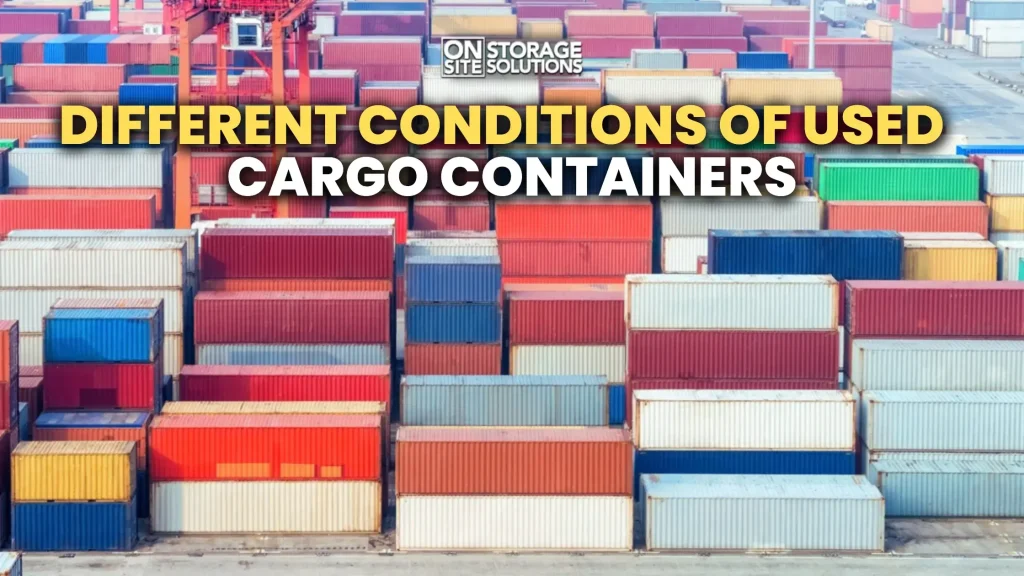

Used cargo containers are widely used for storage, transportation, offices, and commercial projects because they are durable and cost-effective. However, not all containers are in the same condition, and choosing the right grade can affect long-term performance and repair costs.
Understanding the different types of container conditions helps buyers select the best option for shipping, storage, or construction needs while avoiding unnecessary expenses.
Understanding the Grading System of Used Cargo Containers
The condition of used cargo containers affects their price, durability, and best use. Some containers are almost new, while others are better for basic storage or budget projects.
Below are the most common container conditions buyers should know before purchasing.
1. One Trip Containers (Like New)
One-trip containers are the highest quality containers in the resale market. They were only used once to transport cargo from the manufacturer to the destination country.
These containers usually have very few dents, little rust, and clean interiors. Many buyers choose them for offices, cafes, homes, and high-end Shipping container projects due to their clean, modern look.
2. IICL Containers (Excellent Condition)
IICL containers meet the strict inspection standards used in the shipping industry. They are well known for their solid structural integrity and noticeably cleaner overall condition.
Most IICL containers have fewer dents, minimal repairs, and solid flooring. Businesses involved in shipping and logistics often choose them for long-term use.
3. Cargo Worthy (CW) Used Cargo Containers
Cargo-worthy containers are certified safe for international shipping. They are structurally sound but may show normal signs of wear, like surface rust or faded paint.
These containers are popular for transport, industrial use, and shipping containers for storage units because they provide strong protection at a reasonable price.
4. Wind and Watertight (WWT) Containers
Wind and watertight containers are built to keep out rain and outside air. They may not qualify for international shipping, but they still work well for storage.
WWT containers often have visible dents and repaired panels. In the shipping container usa market, many buyers choose them for agricultural use, construction projects, and secure equipment storage needs.
5. As-Is Used Cargo Containers
As is containers are sold in their current condition without guarantees. They are typically the most budget-friendly choice on the market.
Some units may have leaks, rust, damaged floors, or door problems. Buyers searching for the best place to buy shipping container options should inspect these containers carefully before purchasing.
Common Signs of Damage Buyers Should Inspect
Inspecting a container carefully can prevent expensive surprises later. Buyers should pay close attention to these warning signs before purchasing a container.
1. Rust and Corrosion
Rust is one of the most important issues to inspect because severe corrosion weakens the steel structure over time. Surface rust is common in older containers, but deep corrosion around corners, seams, and door frames may indicate structural damage.
2. Roof Damage and Leaks
Roof condition plays a major role in container durability. Water often collects on container roofs, creating rust spots and leaks. Even small holes can allow moisture to enter and damage stored items.
3. Soft or Damaged Flooring
4. Unpleasant Odors or Chemical Contamination
Strong odors inside a used cargo container can indicate mold, moisture buildup, or chemical contamination from previous cargo. A container with lingering smells may require expensive cleaning or floor replacement before use.
5. Door Alignment Problems
Doors should open and close smoothly without excessive force. Misaligned doors may mean the container frame has shifted due to heavy impacts or improper handling during transport.
6. Holes and Hidden Cracks
Small holes and cracks are easier to spot when sunlight passes through the container’s interior. These openings can allow water, pests, and outside air to enter, reducing the container’s effectiveness for storage or shipping.
7. Previous Patch Repairs
Some older shipping containers have welded patches covering damaged areas. While repairs are common, poorly completed patchwork may hide deeper structural problems that could worsen over time.
How the Condition of Used Cargo Containers Affects Pricing
- Age: Container pricing changes based on the age of the unit. One-trip containers are usually the most expensive because of their clean appearance, minimal wear, and longer lifespan.
- Condition: Cargo-worthy and wind and watertight units often provide the best value for buyers who need reliable storage without paying extra for cosmetic perfection. Refurbished containers typically fall between premium and budget pricing.
- Location: The location of the container can greatly affect the final cost. Containers stored far from the buyer may require higher transportation and delivery fees.
- Market Demand: Prices can increase when demand for containers rises in certain regions or industries. Availability also affects how quickly prices change in local markets.
- Transportation Costs: Delivery expenses sometimes become more expensive than the container itself, especially in remote areas or locations with limited access for large trucks.
- Inspection and Seller Reputation: People searching for the best place to buy shipping container options should compare local dealers, inspect inventory personally, and request recent inspection reports before making a purchase.
Choosing the Right Used Cargo Containers for Your Needs
Selecting the used cargo containers depends on how the unit will be used. Different projects require different container conditions, budgets, and durability levels.
1. One Trip Containers for Premium Projects
Luxury retail spaces, offices, and container homes often benefit from one trip containers because appearance matters. These units usually have minimal dents, cleaner interiors, and a longer lifespan.
2. Cargo Worthy Containers for Industrial Use
Industrial storage and transportation projects commonly use cargo-worthy containers. These units remain structurally strong and secure even after years of shipping use.
3. Wind and Watertight Containers for Basic Storage
4. Refurbished Containers for Custom Modifications
Buyers planning workshops, pop-up shops, or modified spaces often choose refurbished containers. Many repairs and improvements have already been completed, helping reduce preparation time.
5. Budget Considerations Before Buying
Budget plays an important role when choosing a container. Spending slightly more upfront on a higher-quality unit can reduce future repair and maintenance costs.
6. Matching the Container to Its Purpose
A reliable used cargo container investment starts with understanding the intended purpose of the unit. Buyers who match the container grade to their project often save money and avoid unnecessary complications.
Final Thoughts
The condition of used cargo containers affects their durability, performance, and overall value. Understanding the differences between one-trip, IICL, cargo-worthy, wind and watertight, and as-is containers helps buyers choose the right option for storage, shipping, or commercial projects.
A careful inspection and proper planning can help prevent costly repairs and ensure long-term use. On-Site Storage Solutions offers reliable storage container options for industrial, commercial, and personal needs.
To find the right container for your project, contact On-Site Storage Solutions today at (888) 977-9085 and speak with a container specialist.
FREQUENTLY ASKED QUESTIONS
The most common conditions of used cargo containers include one trip, IICL, cargo worthy, wind and watertight, and as is containers. Each condition varies in appearance, structural quality, and pricing.
Most used cargo containers can last 15 to 25 years or more with proper maintenance. Lifespan depends on the container’s condition, environment, and level of upkeep.
Yes, used cargo containers are widely used for secure storage because they are durable, weather-resistant, and made from heavy-duty steel. Many businesses and homeowners use them for equipment, inventory, and personal storage.
Buyers should inspect the roof, flooring, doors, rust levels, and overall structural condition. It is also important to check for leaks, holes, and proper door alignment before purchasing.
Cargo-worthy containers are certified safe for international shipping, while wind and watertight containers are mainly used for storage purposes. WWT containers may have more cosmetic wear, but still protect contents from rain and outside air.