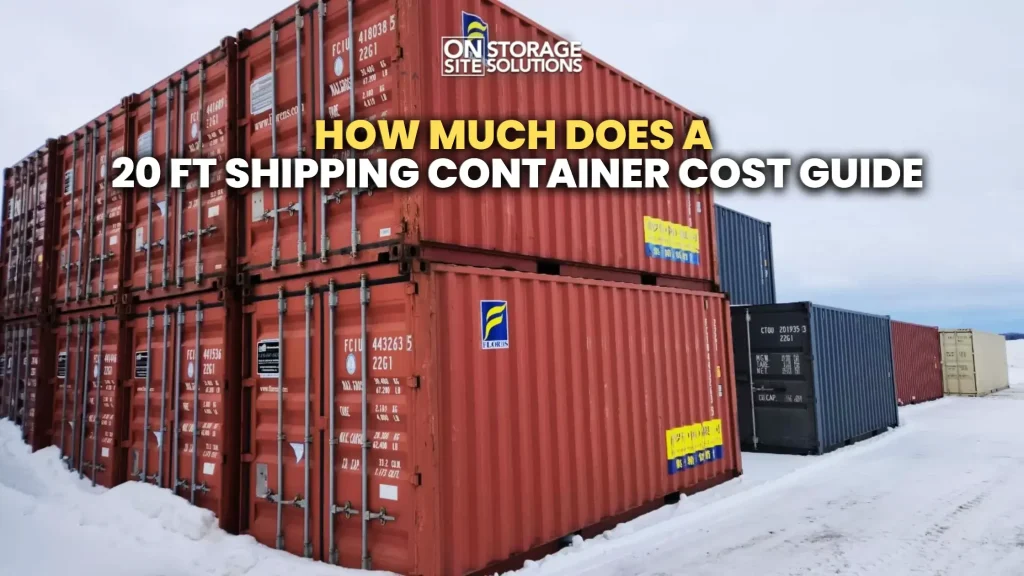

How much does a 20 ft shipping container costs depends on condition, location, and market demand, so there is no single fixed price. Costs can change widely because factors like wear level, supply availability, and delivery distance all affect the final amount.
A standard 20-foot shipping container is commonly used for storage, transport, and construction projects. Its price is influenced by far more than raw steel, including durability, supply conditions, and transportation logistics.
This guide explains the main pricing factors so buyers can understand what they are really paying for before making a purchase decision.
How much does a 20 ft Shipping Container Cost in Base Pricing and Real Market Range
The market price for a twenty-foot unit depends mainly on condition, location, and demand. A shipping container does not have one fixed price, so understanding the range helps buyers plan better.
- New or single-trip container: These are the most expensive because they are used only once for cargo transport. Price is usually around $2,500 to $5,000+ depending on location and supply.
- Used cargo-worthy container: These are structurally strong and still suitable for transport or heavy storage. Price is usually around $1,500 to $3,000.
- Wind and watertight used container: These are no longer certified for shipping, but still protect goods from weather. Price is usually around $1,200 to $2,500.
Across many regions, a used shipping container is significantly cheaper than a new one, making it attractive for startups and homeowners. This is why the cost of a 20 ft shipping container does not have a fixed answer and changes based on supply and demand.
Buyers usually evaluate several sellers first before choosing the best deal. Local market research helps identify fair pricing, especially when conditions vary by region and availability.
What drives Pricing in the Shipping Container Market when asking how much does a 20 ft shipping container cost
The cost of a shipping container depends on several key factors. Understanding them helps buyers make better decisions instead of focusing only on the lowest price.
1. How condition and structural quality affect how much does a 20 ft shipping container cost
Condition is the biggest factor affecting price. A container with less rust, strong floors, and working doors will always cost more than a damaged one.
Common condition types include:
- Cargo worthy units: Strong and approved for shipping or long-term storage.
- Wind and watertight units: Not certified for shipping but still protect from weather.
- As is units: Cheapest option, often needing repair.
Better condition means higher price. This is why how much does a 20 ft shipping container cost varies so much across listings.
2. Supply demand cycles and shipping activity
Prices change based on global trade activity.
- High shipping demand: fewer containers available, prices increase.
- Low shipping demand: more containers available, prices decrease.
These changes happen throughout the year and affect market pricing. This is why costs can shift even for the same shipping container.
3. Location and transportation distance
Location has a big impact on total cost.
- Port or coastal areas: more supply, usually lower prices.
- Inland areas: higher transport costs due to trucking or crane use.
- Long-distance delivery: increases the total final price.
This is why shipping container usa markets and inland areas often show different pricing. Transport can be a major part of the total cost.
Hidden costs that affect the total investment
Many buyers focus only on the container price itself. However, the total cost includes additional expenses that can change the final budget significantly.
- Delivery fees: Shipping a container requires specialized transport equipment such as flatbed trucks or cranes. Costs increase based on distance, accessibility, and site conditions.
- Installation or placement costs: Site preparation may be required depending on where the container will be placed. Uneven ground, tight spaces, or lack of access can increase setup expenses.
- Modifications for usage needs: Some buyers upgrade containers for shipping containers for storage units use cases. These changes may include ventilation, insulation, lighting, or added doors. Each modification increases cost but also improves comfort, usability, and long-term function.
- Permits and regulatory requirements: Certain locations require permits, especially if the container will be used for construction, commercial, or semi-permanent structures. These fees vary depending on local rules and zoning laws.
Where buyers commonly find Shipping Containers while checking how much does a 20 ft shipping container cost
There are several reliable sources for purchasing containers. Each option offers different pricing, availability, and inspection access.
- Local dealers: These are the most common option. Buyers can physically inspect the shipping container before purchase, which reduces the risk of hidden damage.
- Online marketplaces: These platforms offer wider inventory and more price comparisons. They make it easier to compare different container conditions in a single place.
- Industrial sellers in shipping container USA markets: These sellers often work directly with ports and logistics companies. This gives buyers access to both new and used units with competitive pricing.
- Auctions and surplus sales: These can offer lower-cost opportunities. However, buyers must carefully inspect each shipping container to avoid hidden structural issues.
The keyword shipping container appears often in listings, but buyers should focus more on verified condition than marketing descriptions.
Practical buying guide for Smart Decisions
Before committing to a purchase, buyers should evaluate intended use. Storage, construction, and transport all require different container conditions.
1. Define your intended use
Start by identifying what the container will be used for. Common uses include storage, construction, or transport. Each use requires different durability levels.
Shipping containers for storage units are often used in homes and businesses. These buyers focus more on waterproof sealing and strength than on shipping certification.
2. Inspect the container condition carefully
Inspection is essential before buying. Check for rust, door alignment, floor condition, and visible damage. These affect long-term performance.
A well-maintained shipping container can last many years with basic care. Always inspect before purchase.
3. Compare pricing and negotiate wisely
Compare at least two to three suppliers before deciding. This helps you understand fair market pricing.
Negotiation is common. Sellers may offer discounts for bulk orders or include delivery. This often improves overall value.
4. Evaluate long-term value, not just upfront cost
Understanding how much a 20 ft shipping container costs is not only about the purchase price. It also includes long-term value.
A higher quality unit may cost more at first, but it reduces repairs and lasts longer. This often makes it a better investment.
Conclusion
How much does a 20 ft shipping container costs depends on condition, location, and demand. There is no fixed price.
A shipping container is a long-term solution for storage, transport, or construction. The best choice balances cost and durability.
On-Site Storage Solutions offers affordable storage container options. For quotes or questions, call (888) 977-9085.
FREQUENTLY ASKED QUESTIONS
The cost of a 20 ft shipping container usually ranges from $1,200 to $5,000+ depending on condition. Used units are cheaper, while new or single-trip containers cost more. Location and delivery fees also affect the final price.
The price depends on three main factors: condition, location, and demand. A well-maintained container costs more than a damaged one. Transport distance and market supply also influence the final price.
There is no single fixed price because each shipping container varies in condition, age, and market availability. Condition, age, and structural quality vary, and global shipping demand changes availability. This causes price differences between sellers and regions.
Yes, used containers are much cheaper than new ones. A used cargo-worthy unit can cost nearly half the price of a new container. However, buyers should inspect for rust, flooring damage, and door issues before purchasing.
Buyers can find containers through local dealers, online marketplaces, industrial suppliers, and auctions. Industrial sellers in shipping container USA markets often provide both new and used options with competitive pricing.