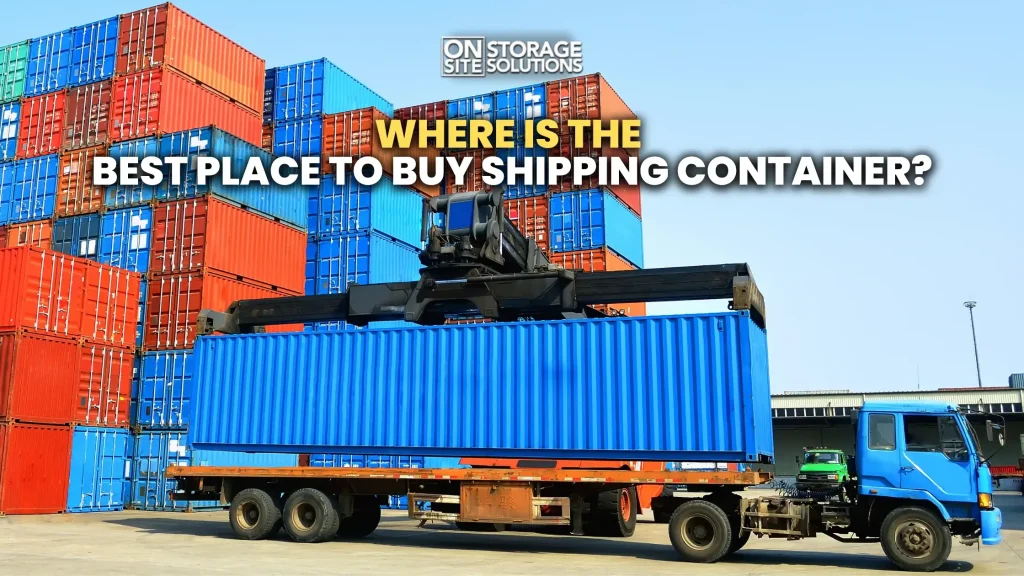

Buying a shipping container may seem straightforward, but it can quickly become overwhelming when searching for the best place to buy a shipping container, as prices vary, conditions differ, and important details are often unclear.
This lack of clarity often leads buyers to focus on price alone instead of quality, condition, and supplier reliability, resulting in costly mistakes, unexpected repairs, or delivery issues that can affect the entire project.
When you are comparing suppliers or planning to buy shipping containers online, understanding what affects quality and pricing will help you make a better decision.
What Makes the Best Place to Buy Shipping Containers a Reliable Supplier
A reliable shipping container supplier does more than sell units, especially when you are trying to find the best place to buy shipping container. They ensure that every container is properly inspected, accurately described, and suitable for real-world use. One of the most important qualities to look for is transparency.
Reliable sellers provide clear details on container condition, pricing, and delivery, while established suppliers follow inspection standards to ensure containers are functional and ready for use.
Most buyers use a shipping container website to compare prices, grades, and delivery options before deciding. Buyers should also be cautious of unusually cheap offers, as they may hide issues such as rust damage, weak flooring, or unclear transport fees.
Understanding Container Types and Sizes at the Best Place to Buy Shipping Container
Shipping containers come in different types depending on their purpose and usage. Understanding these options helps buyers avoid paying for features they don’t actually need.
Standard Dry Van Containers
The most commonly used type is the dry van container. It is designed for general storage and transportation of non-temperature-sensitive goods and is widely available in the market.
High Cube Containers
High cube containers are similar to standard units but offer extra height. This makes them ideal for bulky items or equipment that requires additional vertical space.
Refrigerated Containers (Reefers)
Refrigerated containers are designed for temperature-sensitive goods such as food, medicine, or chemicals. They include built-in cooling systems to maintain internal conditions.
Specialty Containers
Specialty containers include flat racks, open-top units, and tank containers. These are used for oversized, heavy, or irregular cargo that does not fit standard container dimensions.
Each type serves a specific purpose, so selecting the right one depends on how the container will be used.
Shipping Container Sizes and Common Uses
Choosing the right size is essential because it affects both cost and functionality. The ideal container depends on how much space you need and where it will be placed.
- 10ft containers – Best for very limited storage needs or tight residential spaces.
- 20ft containers – Ideal for small storage needs, personal use, or small business inventory.
- 40ft containers – Best for larger storage, commercial use, or bulk goods.
- 45ft high cube containers – Suitable for oversized items requiring extra vertical space.
Selecting the correct size helps prevent wasted space and ensures better cost efficiency.
20ft vs 40ft Shipping Containers: Key Differences
One of the most common decisions buyers face when looking for the best place to buy shipping container is choosing between a 20ft and a 40ft container. While both serve similar purposes, their capacity and use cases differ significantly.
20ft Shipping Container
A 20ft container is a practical choice for buyers who need compact, affordable, and space-efficient storage.
- Compact and easier to place in tight or limited spaces.
- Commonly used for residential storage, small businesses, and job site equipment.
- More affordable, making it practical for first-time buyers or smaller storage needs.
40ft Shipping Container
A 40ft container is better suited for buyers who need maximum storage capacity and long-term efficiency.
- Offers nearly double the storage capacity of a 20ft container.
- Ideal for commercial inventory, industrial use, and large-scale storage.
- Provides better long-term storage efficiency despite the higher upfront cost.
The best choice ultimately depends on available space, storage needs, and long-term usage plans.
Trusted Sellers in the Best Place to Buy Shipping Container
A shipping container may seem like a simple purchase, but its condition can vary based on previous use and maintenance. Unverified sellers increase the risk of hidden issues and unclear delivery terms, while trusted suppliers offer better inspection and transparency.
- Buying from unverified sellers increases the risk of rust, damaged flooring, or structural issues that may not be immediately visible.
- Trusted suppliers follow inspection and grading standards to ensure containers are safe and usable before being sold.
- Reliable sellers clearly explain delivery terms, access requirements, and possible additional fees.
- A transparent buying process helps customers avoid unexpected problems and ensures a smoother purchasing experience.
Where to Buy Shipping Containers Online or Locally
Shipping containers can be purchased through both online platforms and local suppliers, depending on convenience and preference. When starting their search, many buyers type shipping containers for sale near me to quickly find available units in their area with faster delivery options.
Online listings help buyers compare options across different locations, while some prefer checking shipping containers for sale locally so they can inspect the unit physically before making a decision.
Local suppliers give buyers the advantage of seeing the container firsthand, helping them confirm its condition and suitability before purchase.
Why On-Site Storage Solutions Is a Reliable Choice
One of the established providers in the industry is On-Site Storage Solutions, a trusted option when looking for the best place to buy shipping container, which has been operating since 2002 and serves customers across North America.
The company offers both new and used shipping containers that are inspected and graded before delivery. This ensures that buyers receive containers suited for storage, business, or construction use.
With years of industry experience, they have developed systems that support both individual and commercial buyers, helping reduce risks when buying shipping containers.
Final Thoughts on Best Place to Buy Shipping Container
Choosing the best place to buy shipping container requires more than comparing prices. It involves understanding container types, evaluating supplier credibility, and selecting the right size for your needs.
A reliable supplier provides transparency, proper inspection, and consistent service, all of which help reduce risk and improve long-term value.
By taking time to compare options carefully, buyers can avoid common mistakes and ensure they get a container that truly fits their purpose, whether for storage, business, or construction use.
For inquiries or assistance, you can contact (888) 977-9085 for more details about available containers and pricing.
FREQUENTLY ASKED QUESTIONS
The average cost of a shipping container depends on size, condition, and location. A used 20ft container is usually more affordable, while new or 40ft units cost more due to higher capacity, better condition, and delivery requirements.
Before buying a shipping container, check its condition, size, and intended use. It’s also important to verify supplier credibility, delivery terms, and whether the unit is cargo-worthy or suitable only for storage purposes.
A 20ft shipping container generally costs less than larger units, making it ideal for budget-conscious buyers. Pricing varies based on condition, location, and availability, but it remains one of the most commonly purchased container sizes.
Yes, a shipping container benefits from a proper foundation to ensure stability and prevent moisture damage. Common options include gravel, concrete blocks, or concrete slabs, depending on long-term use and site conditions.
The best surface for a shipping container is level, well-drained ground such as gravel or concrete. This helps prevent sinking, rust formation, and uneven pressure on the container structure over time.