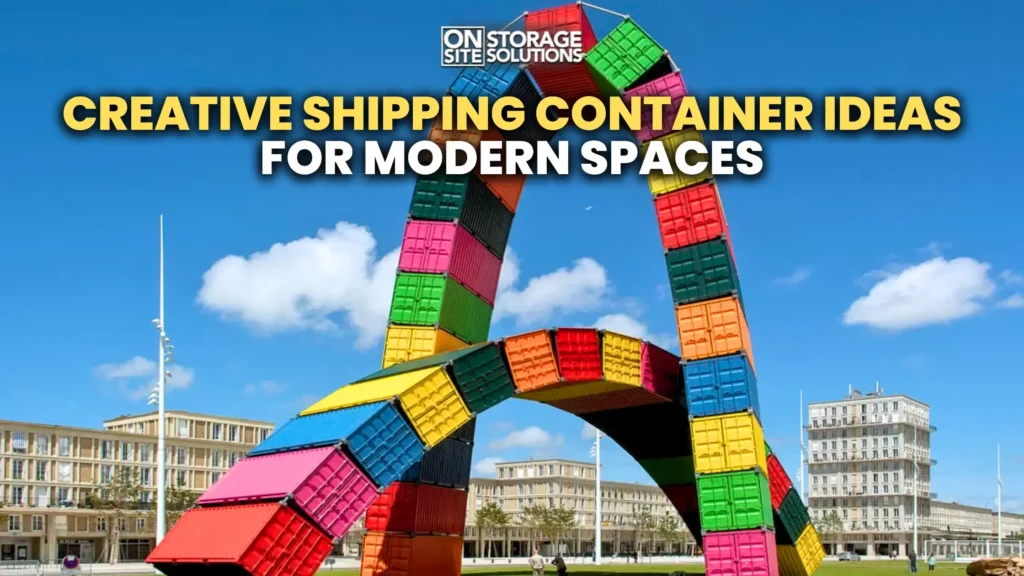

Shipping container ideas are redefining how communities, entrepreneurs, and builders create versatile, functional, and budget-conscious spaces. From retail hubs and offices to homes and community areas, these modular steel structures provide a blank canvas for innovative, sustainable, and visually striking projects.
With strong frames, fast build timelines, and the ability to be customized, containers offer opportunities that traditional construction cannot match. Their durability, mobility, and adaptability make them an ideal choice for modern design and creative solutions.
Shipping Container Ideas That Transform Modern Construction
Practical Container Designs for Flexible Spaces
- Versatile Layouts: Repurposed containers adapt to many industries with minimal structural changes. Units can be stacked, connected, or arranged to create high ceiling container layouts that maximize open interior space.
- Durability: Many containers are made from Corteen steel, designed to withstand harsh marine conditions. This ensures long-lasting strength with minimal structural upgrades.
- Cost-Effective: Container construction reduces material waste and shortens build timelines, providing startups and small businesses an affordable alternative to traditional construction.
- Mobility: Containers can be transported and repositioned with ease, making them ideal for temporary events, pop-up solutions, and flexible office expansions.
Creative Shipping Container Ideas for Retail and Pop-Up Concepts
Creative Shipping Container Ideas for Brand Visibility
- Attracting Customers: Containers naturally capture attention. Pop-up shops provide immersive brand experiences without long-term lease commitments. Bold exterior painting shipping containers reinforce brand identity and encourage social media engagement.
- Custom Interiors: Interiors can be fully shipping container customized to fit merchandising goals. Sliding doors, open shelving, and fold-out display panels optimize space while creating memorable, modern storefronts.
- Temporary Retail Villages: Multiple containers can combine into small markets, craft fairs, or seasonal shopping hubs, activating underused urban areas and testing business concepts.
- Storytelling and Branding: Modular container design supports visual storytelling, sustainability messaging, and experiential retail campaigns, leveraging shipping container ideas for maximum audience engagement.
Shipping Container Ideas for Offices and Creative Workspaces
Flexible Workspaces for Collaborative Teams
- Modular Office Spaces: Containers can be converted into coworking hubs, temporary offices, or project headquarters, allowing companies to scale without permanent construction.
- Open Design: Best windows for shipping container conversions and strategic skylights enhance natural lighting, productivity, and employee well-being.
- Mobile Solutions: Remote locations benefit from portable container offices, reducing commute times and improving workflow efficiency.
- Innovation Labs: Flexible interiors and creative design elements turn containers into brainstorming spaces, innovation labs, or hybrid work environments using shipping container ideas.
Shipping Container Ideas for Restaurants and Hospitality
Modern Dining Spaces with Shipping Container Ideas
- Cafes and Street Food: Containers are ideal for compact kitchens, serving windows, and outdoor setups. Entrepreneurs transform shipping containers into cafes that combine convenience with striking design.
- Menu Experimentation: Quick setup allows testing new menus or concepts in high-traffic areas like festivals or business districts, minimizing risk while refining customer experience.
- Boutique Hospitality: Hotels, food courts, and rooftop lounges leverage modular container layouts. Designers integrate greenery and wood accents to soften industrial aesthetics.
- Sustainable Design: Containers support energy efficiency, solar panels, rainwater collection, and compact workflows, enabling eco-conscious operations and sustainable hospitality practices.
Innovative Shipping Container Ideas for Housing
Sustainable Residential Shipping Container Ideas
- Modern Homes: Containers are transformed into compact houses, guest units, or vacation rentals. Smart layouts and high ceiling container designs maximize functionality and visual appeal.
- Comfortable Interiors: Insulation, ventilation, and strategic window placement create cozy and inviting spaces.
- Affordable Housing: Lower construction costs and modular stacking enable eco-conscious, cost-effective residential developments.
- Emergency and Temporary Housing: Quick assembly makes containers ideal for disaster response or workforce accommodations, demonstrating the adaptability of shipping container ideas.
Shipping Container Ideas for Community and Outdoor Projects
Engaging Container Concepts for Public Use
- Public Amenities: Containers serve as information kiosks, event stages, exhibition halls, or community learning centers.
- Recreational Spaces: Stackable designs provide multi-use areas for parks, sports storage, or poolside cabanas.
- Neighborhood Activation: Modular container installations transform underused urban areas into vibrant community hubs.
- Nonprofit and Cultural Projects: Affordable and flexible, containers host workshops, educational programs, and local markets, leveraging shipping container ideas for social impact.
Innovative Shipping Container Ideas for Real-World Projects
Innovative Cafes and Food Spaces
- Mercy Cafe, Victoria, Australia: A shipping container was converted into a cozy cafe inside the East Geelong Golf Club. The space combines compact design, sustainable materials, and a welcoming atmosphere, showing how shipping containers into cafes can create unique dining experiences.
- Beachfront Pop-Up Cafes: Many coastal entrepreneurs use containers for mobile snack bars or coffee shops, offering quick setup, striking design, and flexibility to relocate based on season or events.
Creative Shipping Container Ideas for Workspaces and Offices
- The Box Office, Providence, Rhode Island: A workspace made from modular containers serves as both offices and storage areas. Its open layouts and natural light demonstrate how container designs can foster productivity and collaboration.
- Temporary Project Offices: Construction sites and remote projects use container-based offices to provide comfortable, mobile workspaces. Modular units can be relocated, stacked, or combined for team flexibility, highlighting the real-world practicality of container-based design.
Boutique Hospitality and Community Spaces
- Dock Inn Hostel, Germany: Old containers were repurposed into 64 rooms with 188 beds, using recycled furniture and industrial-chic decor.
- Community Event Hubs: Cities have transformed containers into pop-up markets, mobile libraries, and interactive public spaces, showing how modular design can enhance neighborhoods and recreational areas.
These examples show how shipping container ideas are more than concepts; they are fully functional, innovative, and engaging spaces in real life.
Planning and Design Tips for Successful Container Projects
- Inspection and Safety: Check for rust, structural damage, and chemical exposure before conversion. Seek professional guidance when modifying the container.
- Climate Control: Ensure proper insulation, ventilation, and energy-efficient systems for comfort in all climates.
- Aesthetic Design: Use exterior painting shipping containers, color, texture, and landscaping to enhance the container’s appearance and align with branding goals.
- Budget Management: Account for permits, utilities, customization, and transport costs to keep projects financially viable.
Future Trends in Container Architecture
- Hybrid Designs: Architects combine containers with traditional materials for flexible, sustainable buildings.
- Smart Technology: Automated climate control, advanced lighting, and remote monitoring improve efficiency and comfort.
- Global Sustainability: Eco-conscious building practices drive experimentation with modular structures.
- Diverse Applications: Containers are now being used in healthcare, education, and disaster response, expanding their potential.
- Innovation Potential: As design tools advance, container architecture will continue to shape the future of urban planning and modular construction.
Repurposed containers combine creativity, affordability, and sustainability. From retail spaces and cafes to offices, homes, and community hubs, they offer endless opportunities for innovative and practical design. Built with durable Corteen steel and modular layouts, containers create functional, attractive, and eco-friendly spaces that support modern lifestyles.
Forward-thinking businesses and communities are using container-based solutions to activate urban areas and inspire innovation. On-Site Storage Solutions can help bring your shipping container ideas to life with high-quality storage containers and modular units.
Need a durable container for storage or a flexible structure for a project? Our experts will guide you from selection to delivery. Call (888) 977-9085 to start turning your vision into reality.
FREQUENTLY ASKED QUESTIONS
You can transform a shipping container into a wide variety of functional spaces, such as retail pop-up shops, offices, cafes, homes, community centers, or temporary project workspaces.
Modular designs allow stacking, connecting, or creating high ceiling container layouts for open interiors. Containers are also used in hospitality, emergency housing, and outdoor recreational spaces.
Yes, owning shipping containers can be profitable. They provide low-cost, durable structures that can be rented, leased, or converted into revenue-generating spaces like cafes, pop-up shops, boutique hotels, or office spaces. The modular flexibility allows owners to quickly adapt to changing business opportunities, minimizing risk while maximizing utility.
Container homes can last 20–50 years or more when built from durable materials like Corteen steel and properly maintained. Factors like insulation, ventilation, protective coatings, and climate control extend durability and comfort. Proper planning and regular maintenance ensure the home remains safe, functional, and visually appealing for decades.
Yes, most container conversions require local permits and approvals. Planning permission ensures that your container project meets safety, zoning, and building codes. This applies to container homes, offices, retail spaces, and community projects, especially if the unit is permanently installed or significantly modified.
You can start a variety of businesses in a shipping container, including pop-up shops, cafes, food trucks, co-working offices, boutique hotels, art galleries, or community hubs. Containers offer low setup costs, mobility, and customization, making them ideal for entrepreneurs looking to test new concepts or expand quickly.


