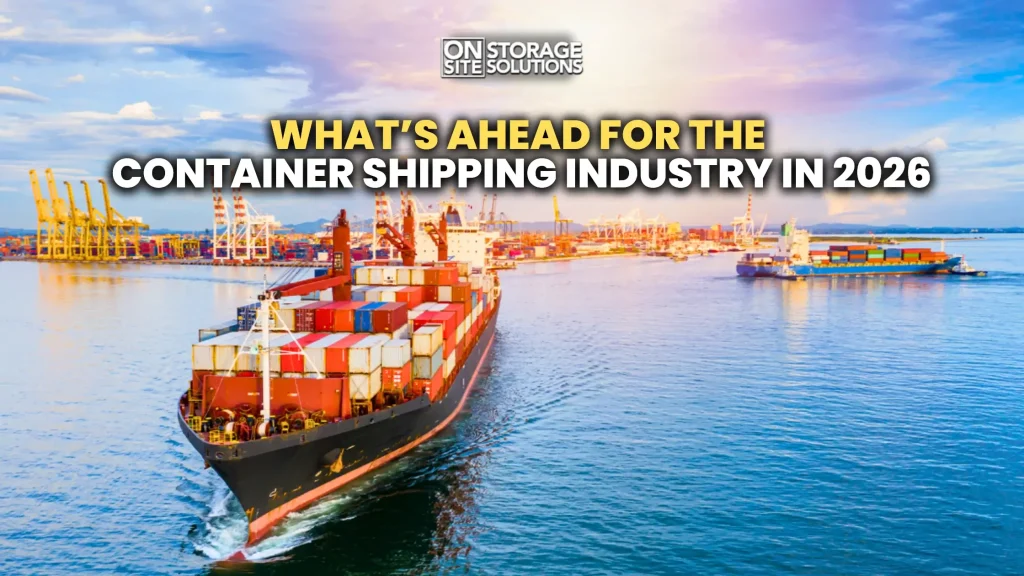

The container shipping industry sits at the center of global trade, quietly powering the movement of goods that shape everyday life. From food and clothing to electronics and industrial equipment, standardized containers keep supply chains connected across oceans, railways, and highways.
As 2026 approaches, the container shipping industry continues to evolve at remarkable speed. Technology, sustainability pressures, automation, and shifting trade patterns are redefining how cargo moves and how companies compete.
Businesses that understand these changes early are better positioned to thrive in an increasingly complex logistics environment.
This global shipping system did not become essential overnight. Its rise is rooted in efficiency, standardization, and international cooperation.
The History of Shipping Containers in Global Trade
The modern system traces back to shipping container history after World War II. Cargo once moved piece by piece, consuming time and labor at every port.
Standard units such as the intermodal shipping container transformed logistics. Goods could move seamlessly between ships, trucks, and trains with minimal handling.
This innovation reduced costs, shortened transit times, and made global trade scalable.
Infrastructure Growth Supporting Global Shipping Networks
Major ports and canals expanded to accommodate larger vessels. The Panama Canal and ports like Rotterdam now handle ultra large container ships with precision.
These upgrades strengthened global shipping networks by increasing capacity and reliability.
In 2026, infrastructure investments remain critical as vessels grow larger and trade lanes become more dynamic.
Smart Technology Reshaping the Container Shipping Industry
Digital intelligence is becoming a defining feature of the container shipping industry, changing how cargo is tracked and protected.
Smart Containers in the Container Shipping Industry
Sensors embedded in containers now monitor temperature, humidity, vibration, and location in real time. A refrigerated container transporting pharmaceuticals can alert operators instantly if conditions drift outside safe ranges.
This visibility reduces losses and builds trust across supply chains. Smart containers also improve planning by sharing accurate arrival data with ports and warehouses.
Data Security in Global Shipping Operations
As data flows increase, cybersecurity becomes essential. Protecting shipment data safeguards commercial relationships and prevents disruptions.
Companies that invest in secure platforms strengthen their position across global logistics networks while improving operational transparency.
Sustainability Driving the Container Shipping Industry Forward
Environmental responsibility is no longer optional across global maritime operations. Regulations and customer expectations continue to rise.
Green Materials in Sustainable Shipping
Manufacturers are using lighter, more durable materials and recyclable coatings to reduce environmental impact. Retrofitting older units with energy-efficient systems extends container life.
Solar-powered monitoring systems are also becoming common, especially for refrigerated and high-value cargo.
Emissions Reduction Across Global Shipping Operations
Shipping lines are adopting cleaner fuels and optimizing routes to lower emissions. Sustainability efforts now influence brand reputation and customer loyalty.
Companies that align green practices with operational efficiency are shaping the future of global maritime logistics.
Flexible Designs Expanding Global Shipping Solutions
Versatility is becoming a competitive advantage in global shipping as cargo needs continue to diversify.
Specialized Units in the Container Shipping Industry
Open-top containers allow oversized machinery and irregular cargo to move safely across borders. Their adaptability supports industries such as construction, energy, and infrastructure development.
These specialized containers also reduce the need for custom transport solutions, saving time and cost.
Modular Uses Beyond Traditional Shipping
Containers now serve purposes beyond transport. Modular units function as mobile clinics, pop-up retail spaces, and temporary housing.
Urban planners increasingly use container-based solutions to address space constraints and sustainability goals, extending their value into cities.
Automation Redefining the Container Shipping Industry
Automation continues to streamline operations across global shipping networks, especially at ports and warehouses.
Port Automation Transforming Maritime Logistics
Robotic cranes, autonomous vehicles, and AI-driven scheduling systems now manage container flows with precision. These technologies reduce errors and improve turnaround times.
Ports using automation handle higher volumes without expanding physical footprints, a critical advantage in congested trade hubs.
Warehouse Robotics Enhancing Maritime Logistics
Automated storage and retrieval systems accelerate order fulfillment. Robots reduce manual labor while increasing accuracy and safety.
For logistics providers, automation enhances resilience during labor shortages and demand surges.
Blockchain Technology Strengthening Global Shipping Operations
Trust and transparency are central to the container shipping industry, and Blockchain technology is reshaping how information flows.
Protecting Shipping Data with Advanced Systems
Blockchain creates tamper-resistant records for bills of lading, customs documents, and shipment milestones. All stakeholders access the same verified data in real time.
This shared visibility reduces disputes and accelerates clearance processes.
Smart Contracts Transforming Global Shipping
Automated contracts trigger payments once delivery conditions are met. This minimizes delays caused by paperwork and manual approvals.
As adoption grows, Blockchain technology continues to simplify complex international transactions.
Autonomous Vessels and the Future of Global Shipping
Autonomous shipping is moving from concept to controlled deployment across global maritime operations.
AI-Powered Routes Enhancing Shipping Efficiency
Advanced sensors and machine learning systems allow a vessel carrying an intermodal shipping container to navigate efficiently with minimal human intervention.
The ship optimizes fuel use and route planning. While widespread adoption remains gradual, pilot programs signal a long-term transformation in container logistics.
Economic and Safety Impacts of Modern Shipping
Autonomous vessels promise lower operating costs and reduced human risk. Over time, they may reshape crewing models and fleet design.
Forward-thinking companies monitor these developments closely to stay competitive.
Competitive Forces in the Container Shipping Industry
Global competition continues to intensify in maritime logistics, driven by scale and innovation.
Industry Leaders in the Container Shipping Industry
Major players such as A.P. Moller-Maersk Group invest heavily in digital platforms and integrated logistics services. Their strategies influence industry standards.
COSCO Shipping expands its global reach through infrastructure investments and strategic alliances.
Opportunities for Smaller Operators in Global Shipping
Smaller operators succeed by focusing on niche markets, regional expertise, and customer-centric solutions. Flexibility and specialization remain powerful differentiators.
Collaboration and technology adoption help level the playing field.
Challenges and Growth Paths for Global Shipping
The container shipping industry faces both uncertainty and opportunity as 2026 approaches.
External Factors Impacting Shipping Networks
Fuel price volatility, geopolitical tensions, and regulatory changes add complexity to operations. Supply chain resilience becomes a top priority.
Companies that plan proactively reduce exposure to disruptions.
Innovation Driving Growth in Global Shipping
E-commerce growth continues to drive container demand. Technology improves forecasting, visibility, and customer experience.
Firms that combine sustainability, automation, and data-driven decision-making lead the next phase of industry growth.
Conclusion
The container shipping industry enters 2026 stronger, smarter, and more adaptable than ever, driven by innovation in automation, sustainability, and the flexible use of containers.
Businesses that stay informed and act decisively gain a clear competitive advantage in a rapidly evolving global trade environment.
On-Site Storage Solutions supports this future with reliable shipping and storage containers in multiple sizes and conditions to meet modern logistics, construction, and commercial needs.
From on-site storage to modular and specialized applications, their expert team helps you find the right solution.
Call (888) 977-9085 today to speak with a knowledgeable container specialist and move forward with confidence.
FREQUENTLY ASKED QUESTIONS
Shipping is part of the global logistics and maritime industry, which connects supply chains across oceans, railways, and highways, enabling the movement of goods worldwide.
The container shipping industry uses standardized containers, including intermodal shipping containers, to transport goods efficiently. Containers move seamlessly between ships, trucks, and trains, reducing handling, cutting costs, and speeding up delivery.
The container shipping industry is a major global trade sector, handling millions of containers yearly. It relies on large ports, advanced vessels, and modern logistics networks to maintain capacity, efficiency, and reliability in international trade.
The container shipping business involves transporting goods in standardized or specialized containers across international routes. Companies like A.P. Moller-Maersk Group and COSCO Shipping offer services that combine shipping, logistics, and digital solutions for businesses and consumers.
Automation improves the industry through robotic cranes, autonomous vehicles, warehouse robotics, and AI systems. These technologies reduce errors, speed up loading and unloading, optimize storage, and enhance supply chain efficiency and resilience.