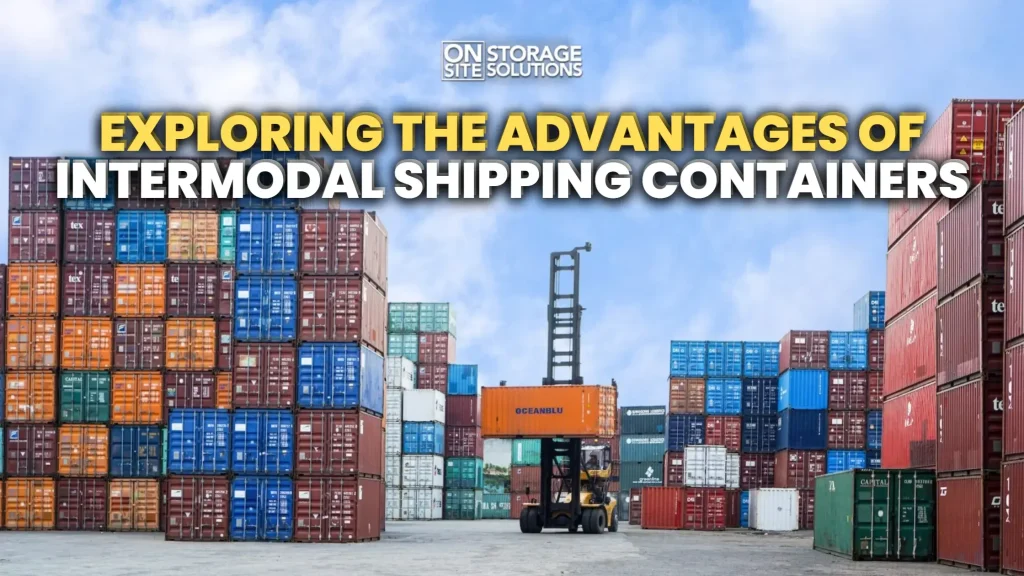

Intermodal shipping containers have transformed the global shipping landscape, becoming a cornerstone of modern logistics since the late 1950s. These containers enable efficient transport of goods over long distances and across multiple modes, helping businesses in the container shipping industry move products securely and cost-effectively.
Their rise has streamlined supply chains, reduced transit times, and improved flexibility. Standardized handling and protection ensure goods arrive in excellent condition, supporting both domestic and international trade while enhancing the overall efficiency of modern logistics networks.
What Makes Intermodal Shipping Containers Innovative
Intermodal shipping containers are innovative because of their standardized design and flexibility. Built to the standards of the International Organization for Standardization (ISO), they can be transferred between ships, trucks, and trains without unloading the cargo, reducing handling time and the risk of damage.
- Enhanced protection – Sealed containers help safeguard goods from theft, weather, and contamination.
- Improved efficiency – Standardized sizes simplify storage, stacking, and transportation.
- Versatile use – Available in different types, including dry storage, refrigerated, and flat rack containers, to accommodate a wide range of cargo.
How Containerized Freight Systems Work
Containerized freight systems rely on ISO-compliant containers that can be moved seamlessly between ships, trucks, and trains without unloading the cargo. Their standardized design allows for faster loading and unloading, reducing delays and improving efficiency throughout the supply chain.
Standard dimensions also make it easier for businesses to manage cargo space, calculate shipping costs, and comply with transportation regulations.
Types of Goods Transported Using Containerized Freight
Intermodal shipping containers are highly versatile and can transport a wide range of goods safely and efficiently.
Key types include:
- Dry Goods: Non-perishable items such as clothing, electronics, and household products. Sealed containers protect these goods from damage, theft, and contamination during transit.
- Refrigerated Goods: Perishable items like fruits, vegetables, dairy products, and pharmaceuticals. Temperature-controlled containers maintain freshness, reduce spoilage, and ensure safe delivery for food and medical industries.
- Heavy Machinery and Equipment: Oversized cargo including construction equipment, generators, and cranes. Flat racks and specialized units make it possible to transport large, heavy items efficiently across continents.
- Automobiles: Cars, trucks, and SUVs can be moved in standard containers or specialized racks. Standardization and security features minimize transit risks and simplify logistics planning.
Key Benefits: Protection of goods, flexibility across transport modes, and efficient handling make intermodal shipping containers an essential part of modern supply chains.
Advantages of Intermodal Shipping Containers
Intermodal shipping containers offer several benefits to businesses in the container shipping industry, helping improve efficiency, flexibility, and security during containerized transport.
- Standardized operations – Uniform container sizes and handling procedures create a more predictable and reliable shipping process.
- Greater flexibility – Containers can be transferred between ships, trucks, and trains without unloading the cargo, reducing handling time and costs.
- Improved efficiency – Faster loading and unloading help minimize delays and keep goods moving through the supply chain.
- Lower transportation costs – Better use of cargo space and fewer handling requirements can reduce overall shipping expenses.
- Enhanced security – Sealed containers protect goods from theft, contamination, and weather-related damage during transport.
- Supply chain reliability – Consistent and secure movement of cargo makes containerized shipping a key part of modern logistics operations.
The Impact of Intermodal Shipping Containers
Intermodal shipping containers have transformed global supply chains, making it easier to move goods across continents and enter new markets with confidence.
They support sustainability by optimizing space, reducing handling, and lowering fuel consumption and emissions.
Standardized storage shipping containers also improve warehouse management. Knowing how are shipping containers measured helps businesses choose the right container, streamline operations, and scale logistics efficiently and securely.
The Role of Containerized Freight in Sustainable Logistics
Containerized freight helps make logistics more sustainable by improving transportation efficiency and reducing emissions. Because containers can be moved easily between ships, trucks, and trains, businesses can rely more on rail and sea transport, which typically have a lower environmental impact than road transport.
Standardized containers also maximize cargo space, allowing more goods to be transported in fewer trips. Their reusable and durable design helps reduce packaging waste while supporting long-term, cost-effective logistics operations. As a result, containerized freight is a practical solution for businesses looking to improve efficiency while supporting sustainability goals.
On-Site Storage Solutions and Intermodal Shipping Containers
At On-Site Storage Solutions, we offer a wide range of intermodal shipping containers, from standard ISO units to specialized containers, to meet every business’s storage and transport needs. Our team helps clients choose the right container, streamline their supply chain, and reduce costs. Contact us at (888) 977-9085, to find the perfect solution.
These containers have transformed the container shipping industry by providing a standardized, secure, and flexible way to move goods across multiple transport modes. Their efficiency, versatility, and reliability make them essential for businesses operating within today’s global supply chains.
FREQUENTLY ASKED QUESTIONS
An intermodal container is a strong, standardized, and sealed unit used to move goods across different types of transport, such as ships, trucks, and trains. Its main advantage is that the cargo inside does not need to be unpacked when switching between transport modes, which helps save time and reduce handling damage.
It is also commonly referred to as an ISO container or a containerized freight unit, since it follows standards set by the International Organization for Standardization. These names highlight its uniform size and compatibility with global transport systems.
Goods are loaded into a standard container, which can then be moved seamlessly between ships, trucks, and trains. The standardized design ensures efficient loading, unloading, and transport without repacking.
An example of intermodal transport is when electronics are packed into a container in Asia, shipped by sea to another country, transferred by truck to a warehouse, and then moved by train to a distribution center. Throughout the entire process, the container remains sealed and unopened.
The cost of an intermodal container varies depending on its size, type, and condition. Standard dry containers are usually more affordable, while specialized units like refrigerated containers or modified containers cost more due to additional features and equipment requirements.