
Buy shipping containers for as low as $1,350.00! CALL US TODAY! (888) 977-9085

Rent shipping containers for as low as $95.00 a month. CALL US TODAY! (888) 977-9085
Rent-To-Own Shipping containers for as low as $79.99 a month. CALL US TODAY! (888) 977-9085
  • Buy
    • Buy Shipping Containers
    • Buy Refrigerated Shipping Containers
    • Modifications
    • Shipping Container Accessories
  • Rent
    • Shipping Container Rental
    • Rent Refrigerated Shipping Containers
  • Rent-To-Own
  • Locations
  • Resources
    • FAQ
    • Container Types
    • Container Conditions
    • Container Grades
    • Delivery Guide
    • Containers We Delivered
    • Tax Exemption
    • Blogs
  • Onsite Special
  • Why Onsite Storage
  • Buy
    • Buy Shipping Containers
    • Buy Refrigerated Shipping Containers
    • Modifications
    • Shipping Container Accessories
  • Rent
    • Shipping Container Rental
    • Rent Refrigerated Shipping Containers
  • Rent-To-Own
  • Locations
  • Resources
    • FAQ
    • Container Types
    • Container Conditions
    • Container Grades
    • Delivery Guide
    • Containers We Delivered
    • Tax Exemption
    • Blogs
  • Onsite Special
  • Why Onsite Storage
Onsite Storage Solutions Logo
$0.00 0 Cart
(888) 977-9085
(888) 977-9085
Onsite Storage Solutions Logo
$0.00 0 Cart

My Account

  • Buy
    • Buy Shipping Containers
    • Buy Refrigerated Shipping Containers
    • Modifications
    • Shipping Container Accessories
  • Rent
    • Shipping Container Rental
    • Rent Refrigerated Shipping Containers
  • Rent-To-Own
  • Locations
  • Resources
    • FAQ
    • Container Types
    • Container Conditions
    • Container Grades
    • Delivery Guide
    • Containers We Delivered
    • Tax Exemption
    • Blogs
  • Onsite Special
  • Why Onsite Storage
  • Buy
    • Buy Shipping Containers
    • Buy Refrigerated Shipping Containers
    • Modifications
    • Shipping Container Accessories
  • Rent
    • Shipping Container Rental
    • Rent Refrigerated Shipping Containers
  • Rent-To-Own
  • Locations
  • Resources
    • FAQ
    • Container Types
    • Container Conditions
    • Container Grades
    • Delivery Guide
    • Containers We Delivered
    • Tax Exemption
    • Blogs
  • Onsite Special
  • Why Onsite Storage

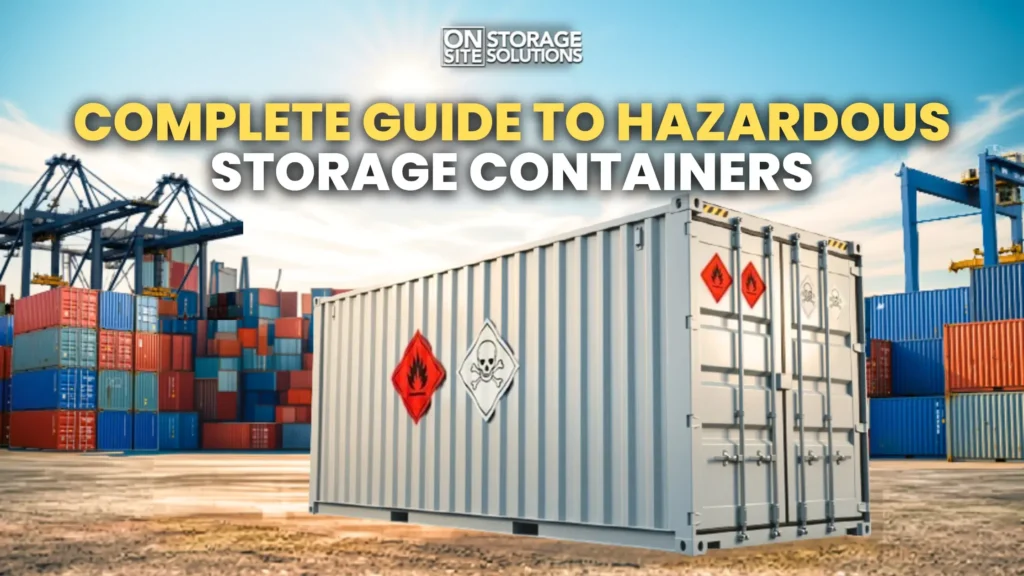
Complete Guide to Hazardous Storage Containers

Hazardous storage containers for safe and compliant material storage

Hazardous storage containers give businesses a secure and practical way to store materials that require careful handling. Storing hazardous materials requires more than finding an empty space and putting containers inside it.

Businesses need dependable storage that helps protect materials, workers, property, and the surrounding environment. The right storage solution can also support safer daily operations, better organization, and greater control over stored materials.

In addition, a well-planned storage area can help reduce unnecessary exposure, keep materials properly separated, and make routine inspections easier for your team.

Key Takeaways

  • Hazardous storage containers provide secure space for materials that require controlled storage.
 
  • Different container solutions serve different materials, locations, and storage needs.
 
  • Strong construction, secure access, and weather protection support safer storage.
 
  • Proper labeling, handling, inspection, and site preparation remain essential.
 
  • Choosing the right container starts with understanding the material, space, and storage conditions.
 

What Are Hazardous Storage Containers?

What are hazardous storage containers for safe material storage

Hazardous storage containers are secure storage units designed to help businesses manage materials that may create safety or environmental risks. They provide a controlled space that keeps stored materials organized and separated from areas with regular employee activity.

These containers can support temporary or long-term storage at industrial facilities, construction sites, commercial properties, and other work locations. Their enclosed steel construction can also help protect stored materials from weather and unauthorized access.

However, the container is only one part of a safe storage plan. Businesses must also consider the material properties, site conditions, storage limits, and applicable regulations.

Types of Hazardous Storage Containers

Types of hazardous storage containers for different material storage needs

Different storage needs call for different container solutions. The right option depends on the material being stored, available space, access needs, and intended use.

Standard Hazardous Storage Containers

Standard steel containers provide an enclosed space for materials that need protection from weather, dirt, and outside exposure. They can be a practical choice for general storage when the container and site are suitable for the materials being stored.

Best Price on Shipping Containers

Specialized Hazardous Storage Containers

Some materials need additional controls beyond basic enclosed storage. Specialized solutions may include features such as ventilation, spill containment, temperature control, or fire protection based on the material and applicable storage requirements.

Container TypeBest ForCommon FeaturesKey Consideration
Standard Hazardous Storage ContainersGeneral materials that need secure, enclosed storage.Steel construction, secure doors, and weather protection.Check the container condition and confirm the unit is suitable for the intended storage needs.
Specialized Hazardous Storage ContainersMaterials with specific storage or safety needs.Ventilation, spill containment, temperature control, or other added features.Match the container features to the material properties and applicable requirements.

Key Features of Hazardous Storage Containers

Key features of hazardous storage containers for safer material storage

A dependable storage container should support durability, secure access, and protection from common environmental conditions. These features can make daily storage easier while helping businesses maintain a more controlled work area.

Durable Steel Construction

Steel construction provides strength for demanding work environments. It can also help protect stored materials from rain, wind, dirt, and other outdoor exposure.

Secure Access and Containment

Secure doors help limit unauthorized access and keep materials in a defined storage area. Depending on the materials involved, additional containment may also be needed to help manage spills.

Protection From Weather and Exposure

Outdoor storage can expose materials to changing conditions. A sound container creates a barrier against rain and other environmental exposure, although additional controls may be necessary for certain materials.

Safety and Compliance Requirements

Safety and compliance requirements for hazardous storage containers

Safe hazardous material storage involves more than selecting a strong container. Businesses must identify their materials correctly and follow the requirements that apply to their materials, quantities, industry, and location.

Hazardous Material Identification and Labeling

Clear labels help workers identify stored materials and recognize potential hazards. Labels should remain visible, accurate, and consistent with applicable requirements.

Safe Storage and Handling Requirements

Materials should be stored according to their specific properties and handling needs. Keep incompatible substances separated, maintain clear access, and follow established procedures for handling and movement.

Applicable Regulations and Standards

Requirements can vary based on the material, quantity, storage method, and location. Before setting up storage, businesses should review applicable federal, state, and local requirements and seek professional guidance as needed.

Hazardous Storage Container Applications

Hazardous storage container applications for industrial and commercial use

Hazardous storage containers can support many shipping container uses across different types of work. Their enclosed design gives businesses a practical way to create dedicated storage areas without adding a permanent building.

Industrial and Manufacturing Facilities

Manufacturing operations may store chemicals, solvents, oils, and other materials as part of daily production. A dedicated storage area can help keep these supplies separate from active work zones.

Construction and Job Sites

Construction projects may need temporary storage for fuels, paints, chemicals, and other supplies. A container can provide a centralized storage area for keeping materials organized throughout the project.

shipping containers for sale in san diego ca

Commercial Operations

Businesses with limited indoor space may use outdoor storage for suitable materials. This approach can also help keep stored supplies away from offices, customer areas, and other busy spaces.

Temporary Storage Locations

Project needs can change over time. Portable storage provides additional space without requiring permanent construction, making it useful for temporary operations and changing site requirements.

Best Practices for Hazardous Material Storage

Best practices for hazardous material storage using secure containers

Good storage practices make a major difference in daily safety. Businesses should keep storage areas organized, accessible, and suitable for the materials stored inside.

Preparing the Storage Area

Choose a stable location with suitable access for delivery, inspection, and routine use. Also, keep enough surrounding space for safe movement and maintenance.

Maintaining Proper Organization

Keep materials clearly identified and arranged according to their storage requirements. As a result, workers can locate supplies more easily and identify potential storage problems sooner.

Inspecting Containers and Stored Materials

Regular inspections can reveal corrosion, damaged doors, leaks, or labeling problems. When an issue appears, address it promptly using the appropriate safety procedures.

How to Choose the Right Hazardous Storage Containers

How to choose the right hazardous storage containers for your materials

Selecting the right hazardous storage containers starts with the material, site conditions, access, and required safety features. These factors can also help businesses make a more informed shipping container purchase based on their specific storage needs. 

For certain liquids, gases, or specialized materials, tank containers may be suitable based on their specifications and intended use.

Choosing Hazardous Storage Containers

Start by identifying the material, storage conditions, available space, and daily access needs. This information can help you determine which container type and features are appropriate for your operation.

Material Type and Compatibility

Identify the material and its storage requirements first. Consider chemical compatibility, ventilation, temperature needs, spill control, and other conditions that may affect safe storage.

rent-to-own conex containers

Size and Storage Capacity

Choose enough space for the materials you need to store without creating unnecessary crowding. Adequate space makes access, organization, inspection, and routine handling easier.

Site Access and Placement

Consider ground conditions, delivery access, overhead obstacles, drainage, and proximity to work areas. Proper placement makes the container easier to deliver, use, inspect, and maintain.

Delivery and Installation Requirements

The delivery method should match the site conditions. Limited access, overhead obstacles, narrow entrances, and uneven ground can affect container placement and should be reviewed before delivery.

Why Quality Matters in Hazardous Material Storage

Why quality matters in hazardous material storage and container safety

Quality matters because storage conditions can affect both materials and daily operations. A durable, well-maintained container can provide dependable protection and help businesses create a more organized storage area.

More importantly, quality supports a proactive approach to risk management. Instead of treating storage as an afterthought, businesses can make it part of a broader plan for safer and more efficient operations.

Conclusion

Hazardous storage containers provide businesses with a practical way to create secure space for materials that require careful management. The best solution combines a suitable container with proper site preparation, organization, inspection, handling, and compliance practices. 

Choosing the right solution starts with understanding the materials, storage conditions, and site requirements. With the right approach, businesses can create a storage area that supports safer operations and keeps daily work moving.

On-Site Storage Solutions

At On-Site Storage Solutions, we help customers find storage solutions that fit their materials, available space, and operational needs. Our team can help you understand your options and identify a practical container solution for your project.

For expert guidance, call (888) 977-9085 today. A well-planned storage solution can help protect your materials, support your team, and keep your operation moving.

Dry Van Containers For Sale Near Me

FREQUENTLY ASKED QUESTIONS

1. What are the four major types of containers for hazardous materials?

The four major types include drums, totes (intermediate bulk containers), tank containers, and bottles or jars. Each is designed based on the material’s properties, supporting safe storage, transport, and regulatory compliance while helping minimize spills or accidents.

2. What type of container is best for flammable liquids?

Metal safety cans or approved flammable liquid tanks are best. They feature durable construction, secure seals, and pressure-relief designs to prevent leaks, reduce vapor buildup, and meet OSHA and NFPA safety standards for handling flammable materials.

3. What are the rules for storing hazardous materials?

Hazardous materials must be stored in approved containers, away from incompatible substances, with proper ventilation and secondary containment. Containers should remain closed, meet regulatory standards, and be regularly inspected to prevent spills, leaks, or accidents.

4. What is the proper way to label a hazardous waste container?

Labels must clearly indicate contents, hazard type, and accumulation date. Warnings for flammable, corrosive, or toxic properties should be included. Labels must be durable, legible, and visible to meet OSHA, EPA, and local requirements.

5. What color are hazardous waste containers?

Hazardous waste containers are typically yellow, red, or black, depending on the waste type. Color coding helps workers quickly identify contents and hazards, ensuring proper handling, storage, and compliance with OSHA and EPA standards.

PrevPreviousRevolutionizing Oakland’s Housing Scene with Shipping Container Homes
NextDiscover the Best Container Stores Near YouNext
  • January 17, 2024
  • By Gregg Schoenborn
  • Blog, How to...
Storage Sea Container Requirements for Residential Property

Storage Sea Container Requirements for Residential Property

September 25, 2026
Reefer Refrigerated Containers vs. Reefer Trailers

Reefer Refrigerated Containers vs. Reefer Trailers

September 4, 2026
Reefer Container or Trailer? How to Choose the Right One

Reefer Container or Trailer? How to Choose the Right One

August 28, 2026
Search

Related Blog Post

Storage Sea Container Requirements for Residential Property
Blog

Storage Sea Container Requirements for Residential Property

A storage sea container can give your home valuable extra space, but placing one on residential property is not as simple as finding an open

Read More »
September 25, 2026 No Comments
Reefer Refrigerated Containers vs. Reefer Trailers
Blog

Reefer Refrigerated Containers vs. Reefer Trailers

Reefer refrigerated containers give businesses a practical way to protect temperature-sensitive cargo, but keeping products cold is only part of the challenge. The real question

Read More »
September 4, 2026 No Comments
Reefer Container or Trailer? How to Choose the Right One
Blog

Reefer Container or Trailer? How to Choose the Right One

A reefer container is an insulated shipping container with an integrated refrigeration unit that helps maintain a controlled temperature for temperature-sensitive cargo. If you’re wondering

Read More »
August 28, 2026 No Comments
How to Bury a Conex Container: Complete Guide
Blog

How to Bury a Conex Container: Complete Guide

How to bury a conex container begins with careful planning, proper reinforcement, and the right preparation to ensure a safe and durable underground storage solution.

Read More »
August 26, 2026 No Comments
How Much Does a Conex Container Weigh by Size
Blog

How Much Does a Conex Container Weigh by Size

How much does a conex container weigh is one of the first questions buyers ask before choosing, transporting, or installing a container. Container weight affects

Read More »
August 24, 2026 No Comments
How Wide Is a Conex Container? Sizes & Dimensions
Blog

How Wide Is a Conex Container? Sizes & Dimensions

When choosing a storage solution, many buyers ask how wide is a conex container before purchasing. The width affects how much space is available for

Read More »
August 21, 2026 No Comments
Complete Guide to Hazardous Storage Containers

SUBSCRIBE TO OUR NEWSLETTER TO RECEIVE THE LATEST NEWS AND EXCLUSIVE OFFERS

Captcha validation failed. If you are not a robot then please try again.
Onsite storage solution logo footer

Navigation

  • Blog
  • Locations
  • Type of Containers
  • Conditions
  • Why Onsite Storage
  • Get a Quote
  • Blog
  • Locations
  • Type of Containers
  • Conditions
  • Why Onsite Storage
  • Get a Quote

Resources

  • Sizes
  • Gallery
  • FAQ
  • Reviews
  • Privacy Policy
  • Terms and Conditions
  • Refunds and Returns
  • Shipping Policy
  • Sizes
  • Gallery
  • FAQ
  • Reviews
  • Privacy Policy
  • Terms and Conditions
  • Refunds and Returns
  • Shipping Policy

Contact Us

  • 888-977-9085
  • info@OnSiteStorage.com
  • 21050 Union Street Suite 4, Wildomar, CA 92595

Follow Us

Facebook Page Instagram Page Youtube Channel Linkedin  Page Pinterest Page Google Business Page

Ⓒ 2026 On-Site Storage Solutions, Inc. | All Rights Reserved

secured-payments

(888) 977-9085
Call before you buy. Best prices by phone!

Let's get you the best price.

We use your location to show accurate pricing and availability in your area.