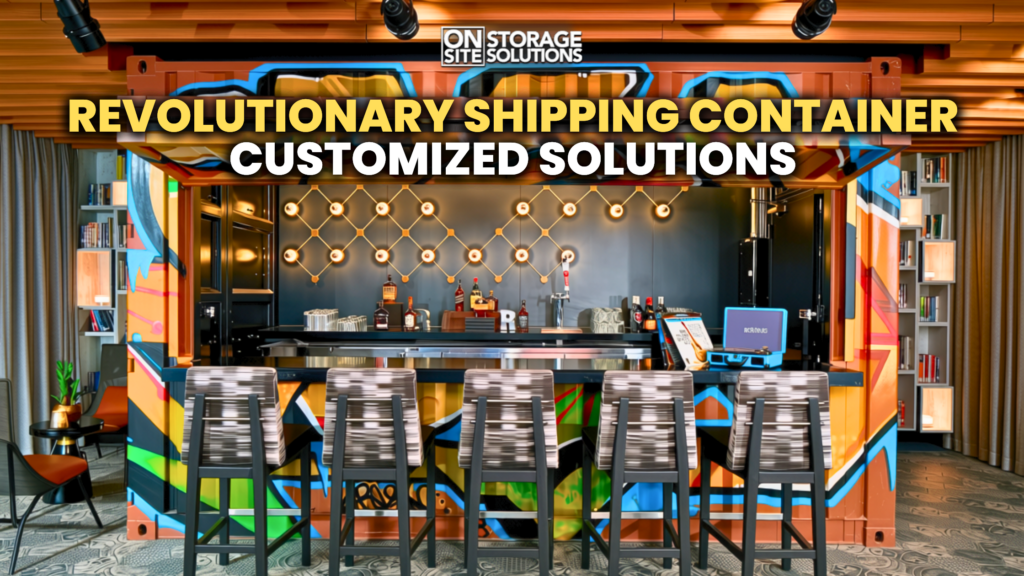

Shipping container customized solutions have become a powerful force reshaping how brands, cities, and innovators build physical experiences. What began as industrial cargo units now fuels agile architecture, creative marketing, and rapid business expansion.
Modern entrepreneurs see flexible structures as tools for storytelling and experimentation. Instead of long development cycles, organizations deploy adaptable spaces that evolve alongside consumer expectations.
Business Transformation Through Shipping Container Customized Innovation
Flexible Retail Strategies Using Modern Container Based Marketing Spaces
Brands use shipping container customized designs to create immersive environments that attract instant attention. Mobile retail spaces allow companies to test markets without the risk of permanent locations.
Pop up showrooms travel between festivals, product launches, and local events. These installations often draw inspiration from fresh shipping container ideas that encourage visitors to share their experiences online.
Startups Scaling Fast with Shipping Container Customized Infrastructure
Startups rely on shipping container customized units to reduce upfront investment while maximizing brand presence. Modular workspaces help founders launch faster and adjust layouts as teams grow.
Creative agencies transform compact containers into modern studios that spark collaboration. Flexible layouts mirror the pace of digital culture and keep overhead costs manageable.
Sustainable Architecture Powered by Shipping Container Customized Design
Green Construction Principles for Modern Modular Container Design
Sustainable container construction solutions emphasize reuse and responsible material consumption. Developers adopt shipping container customized builds to reduce waste and shorten construction timelines.
Eco friendly features such as solar panels and smart insulation support long term efficiency. Urban planners view modular design as a practical path toward climate conscious development.
How Modular Containers Support Community Growth
Communities deploy shipping container customized classrooms, clinics, and training hubs to support evolving social needs. Relocatable buildings allow infrastructure to move where demand is highest.
Mobile libraries and youth centers encourage education without creating permanent environmental impact. Adaptable design strengthens resilience during periods of rapid urban change.
Creative Design Trends for Modern Container Spaces
Architecture and Shipping Container Customized Visual Innovation
Architects experiment with stacking, rotating, and combining containers to produce striking modern structures. Large windows, rooftop gardens, and contemporary finishes transform industrial materials into memorable landmarks.
Design teams pay attention to airflow and light by selecting the best windows for shipping container environments. Strategic planning ensures comfort while maintaining structural strength.
Designing Functional Interiors for Modern Container Spaces
Interior designers prioritize open layouts and multifunctional furniture in compact spaces. Built in storage and thoughtful lighting turn small areas into productive environments.
Modern cafes and boutique hotels combine multiple containers into inviting destinations. Travelers enjoy distinctive accommodations that feel authentic and creative rather than standardized.
Expanding Marketing Impact With Modular Brand Experiences
Event organizers transform container installations into ticket booths, lounges, and interactive demo stations. These portable assets help companies maintain consistent branding across different cities.
A single shipping container customized activation can serve as a powerful storytelling platform. Bold graphics and immersive displays inspire user generated content that spreads organically across social media channels.
Brands also benefit from quick setup and reduced logistics compared with traditional structures. Mobile marketing experiences give teams the freedom to reach audiences wherever they gather.
Technology and Smart Features Shaping the Future
Smart sensors, automated lighting, and remote climate control improve efficiency in modern container environments. Integrated technology allows operators to monitor performance in real time.
Urban farming projects showcase innovative modular workspace design with hydroponic systems and LED lighting. Controlled environments enable year round food production even in densely populated cities.
Educational institutions explore flexible labs and innovation hubs built from modular units. Adaptive learning spaces encourage experimentation and hands-on discovery for students of all ages.
Hospitality and Lifestyle Opportunities
Restaurants and cafes use containers to create visually distinctive dining experiences that attract curious customers. Compact kitchens reduce overhead while maintaining operational efficiency.
Boutique hotels assemble multi unit complexes that offer unique accommodations. Travelers appreciate creative spaces that provide memorable stories along with comfortable amenities.
Pop up food markets built from a single Shipping container cluster encourage local entrepreneurship. These dynamic environments help small vendors test concepts before expanding into permanent locations.
Planning and Execution for Successful Projects
Clear goals guide every stage of container development, from concept to final installation. Businesses must define the purpose of the structure and the audience it aims to reach.
Professional architects and engineers address ventilation, plumbing, and electrical needs. Early collaboration prevents costly redesigns and ensures safety standards are met.
Local zoning regulations and permits remain essential considerations for any project. Understanding regional requirements protects investments and helps projects move forward smoothly.
Community Impact and Emergency Response
Humanitarian organizations rely on modular container units for rapid disaster relief deployment. Durable structures provide temporary housing, medical facilities, and command centers during crises.
Mobile clinics improve healthcare access in remote regions with limited infrastructure. Flexible classrooms help restore education quickly after natural disasters or community disruptions.
Grassroots groups also use containers for art studios and job training centers. Accessible spaces empower residents to collaborate, learn new skills, and build stronger neighborhoods.
Famous Examples of Shipping Container Customized Projects
Luxury Retail Pop-Ups
Louis Vuitton Men’s Pop-Up: For its Men’s Spring/Summer 2021 Collection, Louis Vuitton transformed shipping containers into a striking red pop-up installation. The bold design, emblazoned with the LV logo, created a memorable, mobile retail experience that traveled to fashion events and showcased the brand’s innovative approach.
Restaurants and Cafés
Singapore Takeout: This mobile restaurant brings authentic Singaporean cuisine to global locations using a fully customized shipping container. Compact, functional, and visually appealing, the design allows chefs to serve high-quality meals without a traditional brick-and-mortar space.
Hotels and Resorts
The Beach Box Hotel: Entirely built from upcycled shipping containers, this hotel features 16 rooms, a bar, an in-house restaurant, and even a swimming pool. Painted in vibrant reds and combined with wooden accents, it demonstrates how container design can create stylish and functional hospitality spaces.
Humanitarian and Community Solutions
United Nations High Commissioner for Refugees (UNHCR): The UNHCR uses modified shipping containers as emergency shelters, storage units, and medical clinics in disaster-affected areas. These durable, transportable structures provide critical support for communities in need.
Conclusion
Customized container architecture is transforming modern business, urban spaces, and communities. Flexible designs let organizations adapt quickly to new opportunities, from mobile retail shops to sustainable housing solutions. Creativity and functionality come together to create spaces that inspire connection and growth.
Take your project to the next level with On-Site Storage Solutions. We provide high-quality storage containers and modular spaces tailored to your needs, including pop-up workspaces, mobile shops, and community facilities. Call (888) 977-9085 today to explore your options and bring your modular vision to life.
FREQUENTLY ASKED QUESTIONS
The cost of modifying a shipping container depends on its size, design, and features. Simple conversions for pop-up shops or offices may start around $2,000–$10,000, while fully customized solutions with plumbing, electrical systems, and insulation can cost $20,000 or more. Working with experienced professionals ensures safety and efficiency.
Yes, most shipping container projects require a stable foundation to ensure structural safety. Simple placements can use concrete blocks or piers, while larger installations may need a full concrete slab or reinforced base to support multiple units and heavy loads.
Yes, you must check local zoning laws and permits before installing a shipping container. Regulations vary by city and project type. Planning ahead helps prevent delays and ensures your modular building is legal and safe.
Shipping containers are made of weather-resistant steel, but they can rust over time, especially in humid or coastal areas. Proper painting, insulation, and maintenance help prevent corrosion and extend the lifespan of your container structure.
Yes, it can be safe to sleep in a shipping container if it is properly modified. This includes ventilation, insulation, windows, and structural safety. Many container homes and boutique hotels around the world demonstrate that these spaces can be comfortable and secure.


